$900.00

1 in stock

Description

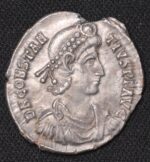
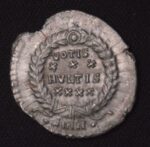
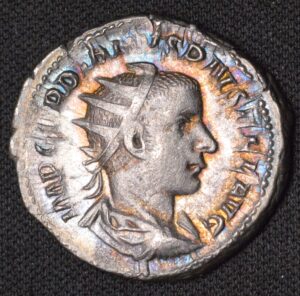
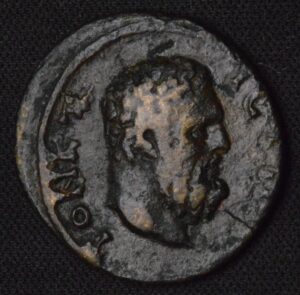
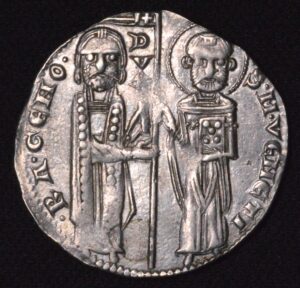
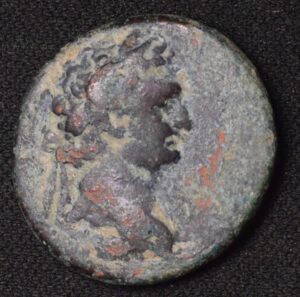
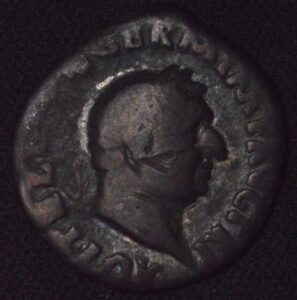
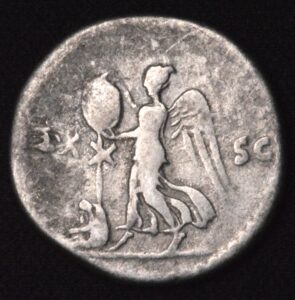
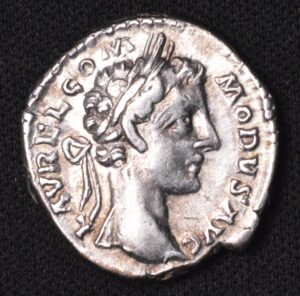
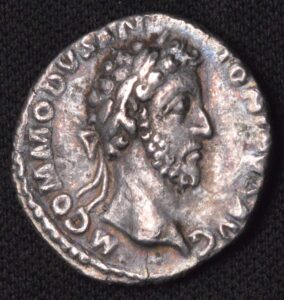
The siliqua featuring Constantius II, minted between AD 351 and 355 at the Nicomedia mint, is a noteworthy example of late Roman imperial coinage. Measuring 22 mm in diameter and weighing approximately 3.26 grams, this coin reflects the standard size for siliquae, a denomination that was commonly used during the later part of the Roman Empire. Its striking design and historical context offer valuable insights into the political and economic climate of Constantius II’s reign, a period characterized by internal stability and the consolidation of imperial authority.

Constantius II was one of the sons of Constantine the Great and played a significant role in maintaining the stability of the empire during his rule. His reign was marked by efforts to promote Christianity, stabilize the empire’s eastern provinces, and strengthen imperial legitimacy. The Nicomedia mint was an important center for producing coinage during his reign, and the siliqua was often used for smaller transactions and as a means of propagating imperial imagery and messages. Coins from this period were carefully crafted to reinforce the emperor’s divine right and connection to Christian faith.

The design of this siliqua would typically feature a portrait of Constantius II on the obverse, often with inscriptions emphasizing his titles and divine authority. The reverse might display Christian symbols, such as the cross or chi-rho, reflecting the emperor’s support for Christianity and its integration into imperial propaganda. The high-quality minting and preservation of this coin enhance its significance, offering a glimpse into the artistry and ideological messaging of late Roman numismatics.

The period of AD 351–355 was a time of relative stability and consolidation for Constantius II, and coinage like this siliqua played a crucial role in reinforcing his authority throughout the empire. The coin’s size and weight made it practical for everyday transactions, while its imagery served to remind the populace of the emperor’s divine favor and Christian faith. Its condition and details provide a valuable resource for understanding the iconography, religious symbolism, and economic practices of the late Roman Empire.

In conclusion, this Constantius II siliqua is an important artifact that embodies the political, religious, and artistic elements of its time. Its well-preserved state and historical context make it a prized piece for collectors and scholars interested in late Roman history. As a tangible symbol of Constantius II’s reign, it continues to tell the story of an era marked by religious transformation, imperial stability, and the enduring legacy of Roman coinage.
The siliqua featuring Constantius II, minted between AD 351 and 355 at the Nicomedia mint, is a noteworthy example of late Roman imperial coinage. Measuring 22 mm in diameter and weighing approximately 3.26 grams, this coin reflects the standard size for siliquae, a denomination that was commonly used during the later part of the Roman Empire. Its striking design and historical context offer valuable insights into the political and economic climate of Constantius II’s reign, a period characterized by internal stability and the consolidation of imperial authority. Constantius II was one of the sons of Constantine the Great and played a significant role in maintaining the stability of the empire during his rule. His reign was marked by efforts to promote Christianity, stabilize the empire’s eastern provinces, and strengthen imperial legitimacy. The Nicomedia mint was an important center for producing coinage during his reign, and the siliqua was often used for smaller transactions and as a means of propagating imperial imagery and messages. Coins from this period were carefully crafted to reinforce the emperor’s divine right and connection to Christian faith. The design of this siliqua would typically feature a portrait of Constantius II on the obverse, often with inscriptions emphasizing his titles and divine authority. The reverse might display Christian symbols, such as the cross or chi-rho, reflecting the emperor’s support for Christianity and its integration into imperial propaganda. The high-quality minting and preservation of this coin enhance its significance, offering a glimpse into the artistry and ideological messaging of late Roman numismatics. The period of AD 351–355 was a time of relative stability and consolidation for Constantius II, and coinage like this siliqua played a crucial role in reinforcing his authority throughout the empire. The coin’s size and weight made it practical for everyday transactions, while its imagery served to remind the populace of the emperor’s divine favor and Christian faith. Its condition and details provide a valuable resource for understanding the iconography, religious symbolism, and economic practices of the late Roman Empire. In conclusion, this Constantius II siliqua is an important artifact that embodies the political, religious, and artistic elements of its time. Its well-preserved state and historical context make it a prized piece for collectors and scholars interested in late Roman history. As a tangible symbol of Constantius II’s reign, it continues to tell the story of an era marked by religious transformation, imperial stability, and the enduring legacy of Roman coinage.

CUSTOMER FEEDBACK

Set your categories menu in Header builder -> Mobile -> Mobile menu element -> Show/Hide -> Choose menu
Create your first navigation menu here
Shopping cart
Start typing to see posts you are looking for.

OFFER A PRICE

Send Your Offer Below! Scroll photo!

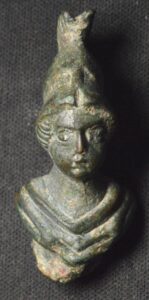
Constantius II (AD 337–361). Siliqua, (AR, 22 mm, 3.26 g.), Nicomedia mint, AD 351–355