$580.00

1 in stock

Description

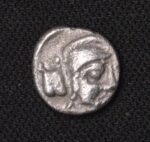
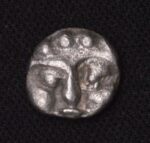
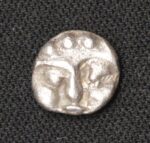
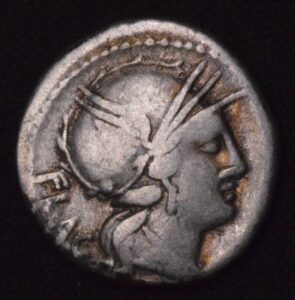
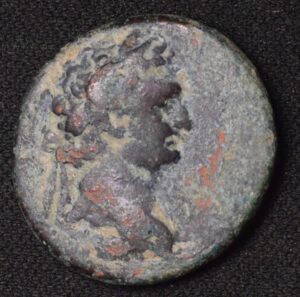
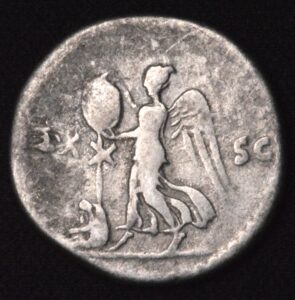
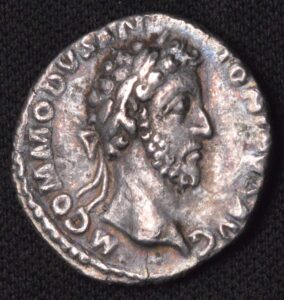
The silver trihemiobol from Selge, Pisidia, dating between 350 and 300 BC, is a fascinating example of ancient Greek coinage from a prominent city-state in Asia Minor. Trihemiobols were small denomination coins used primarily for everyday transactions, and their relatively modest size and weight made them accessible to the common people. This particular coin, originating from Selge, reflects the city’s economic activity and its participation in regional trade networks during the classical period of Greek history.

Made of silver, the trihemiobol would have been valued for its silver content and utility in commerce. While detailed imagery on this specific coin is not described here, coins from Selge often featured symbols associated with the city’s identity, such as local deities, mythological motifs, or representations of animals. The craftsmanship of these coins typically balanced practicality with artistic elements, providing a glimpse into the cultural and religious values of Selge’s citizens. The silver’s natural luster and the coin’s preservation add to its appeal for collectors and historians.

The period of 350-300 BC was a time of significant regional development and city-state independence within the Greek world. Selge was known for its strategic location and its involvement in trade routes that connected the interior of Asia Minor with the Mediterranean. Coins like this trihemiobol served as a vital part of everyday economic life, facilitating local exchanges and trade with neighboring cities. Its size and silver content make it a reliable indicator of the city’s economic strength and relative wealth during this era.

As a historical artifact, the Selge trihemiobol provides valuable insights into the monetary systems, artistic styles, and regional political identities of ancient Pisidia. Its craftsmanship, material, and regional symbolism reflect the cultural diversity of the Greek city-states outside of the major centers like Athens or Sparta. The coin’s age and preservation also make it a prized piece for collectors interested in ancient Greek numismatics and regional histories.

In summary, this silver trihemiobol from Selge is a significant piece of ancient Greek history. It embodies the economic, artistic, and cultural aspects of a city that played a role in regional commerce and cultural exchange. Its rarity and historical importance make it a treasured addition for collectors and scholars seeking to understand the dynamics of the ancient Greek world beyond the well-known city-states, highlighting the diverse and interconnected nature of ancient Greek civilization.
The silver trihemiobol from Selge, Pisidia, dating between 350 and 300 BC, is a fascinating example of ancient Greek coinage from a prominent city-state in Asia Minor. Trihemiobols were small denomination coins used primarily for everyday transactions, and their relatively modest size and weight made them accessible to the common people. This particular coin, originating from Selge, reflects the city’s economic activity and its participation in regional trade networks during the classical period of Greek history. Made of silver, the trihemiobol would have been valued for its silver content and utility in commerce. While detailed imagery on this specific coin is not described here, coins from Selge often featured symbols associated with the city’s identity, such as local deities, mythological motifs, or representations of animals. The craftsmanship of these coins typically balanced practicality with artistic elements, providing a glimpse into the cultural and religious values of Selge’s citizens. The silver’s natural luster and the coin’s preservation add to its appeal for collectors and historians. The period of 350-300 BC was a time of significant regional development and city-state independence within the Greek world. Selge was known for its strategic location and its involvement in trade routes that connected the interior of Asia Minor with the Mediterranean. Coins like this trihemiobol served as a vital part of everyday economic life, facilitating local exchanges and trade with neighboring cities. Its size and silver content make it a reliable indicator of the city’s economic strength and relative wealth during this era. As a historical artifact, the Selge trihemiobol provides valuable insights into the monetary systems, artistic styles, and regional political identities of ancient Pisidia. Its craftsmanship, material, and regional symbolism reflect the cultural diversity of the Greek city-states outside of the major centers like Athens or Sparta. The coin’s age and preservation also make it a prized piece for collectors interested in ancient Greek numismatics and regional histories. In summary, this silver trihemiobol from Selge is a significant piece of ancient Greek history. It embodies the economic, artistic, and cultural aspects of a city that played a role in regional commerce and cultural exchange. Its rarity and historical importance make it a treasured addition for collectors and scholars seeking to understand the dynamics of the ancient Greek world beyond the well-known city-states, highlighting the diverse and interconnected nature of ancient Greek civilization.

CUSTOMER FEEDBACK

Set your categories menu in Header builder -> Mobile -> Mobile menu element -> Show/Hide -> Choose menu
Create your first navigation menu here
Shopping cart
Start typing to see posts you are looking for.

OFFER A PRICE

Send Your Offer Below! Scroll photo!

Pisidia, Selge. 350-300 B.C Silver Trihemiobol