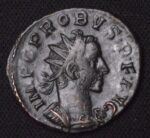
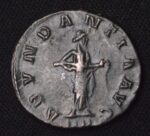
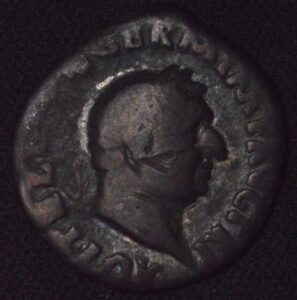
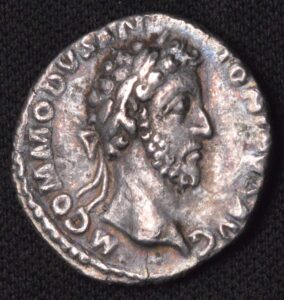
The billon coin featuring Emperor Probus, minted between 276 and 280 A.D., is an important example of Roman imperial coinage during a period marked by military revival and stability. Billon, an alloy primarily composed of silver and copper, was commonly used for lower-denomination coins, providing a durable and cost-effective means of currency circulation. This coin reflects the economic practices of the late 3rd century Roman Empire, a time when the empire was consolidating power after periods of turmoil and external threats.
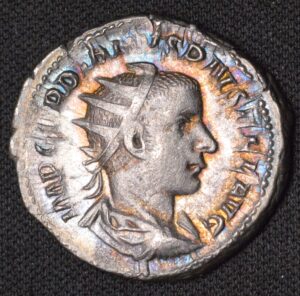
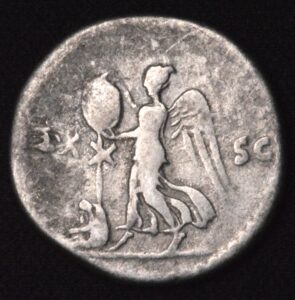
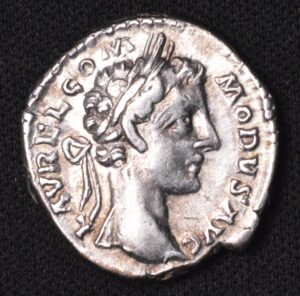
Probus was a Roman emperor known for his military successes and efforts to restore stability to the empire. Coins from his reign often emphasized themes of strength, military prowess, and divine favor. The design of this billon coin would typically feature a portrait of Probus on the obverse, with inscriptions highlighting his titles and legitimacy as emperor. The reverse might depict military symbols, such as armor, weapons, or Victory, reinforcing his reputation as a protector of the empire’s borders and authority.
The period of 276–280 AD was significant for Probus’s campaigns against external enemies and internal unrest. The coin’s composition of billon allowed for widespread circulation, facilitating everyday transactions across the empire’s diverse regions. Although lower in precious metal content than earlier silver coins, billon coins like this still carried symbolic weight and served as a crucial part of the Roman monetary system, especially during times of economic strain.
The craftsmanship and preservation of this coin provide valuable insights into the iconography and political messaging of Probus’s reign. Its imagery would have been carefully chosen to convey strength, stability, and divine favor, essential qualities for maintaining imperial legitimacy during a turbulent era. The coin’s size and weight were designed for practicality, ensuring it was used regularly by the populace while also serving as a propaganda tool.
In summary, this billon coin of Emperor Probus is a significant artifact that embodies the military and political efforts of his reign. Its historical context, combined with its craftsmanship and condition, makes it a prized piece for collectors and historians interested in late Roman imperial coinage. As a tangible reminder of Probus’s efforts to restore order and strength to the empire, this coin continues to tell a compelling story of resilience and imperial authority during a pivotal period in Roman history.