$250.00

1 in stock

Description

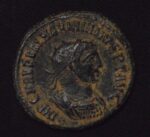
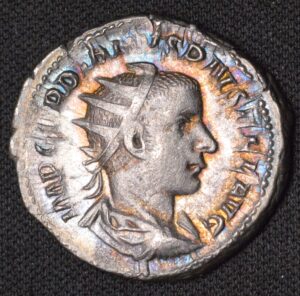
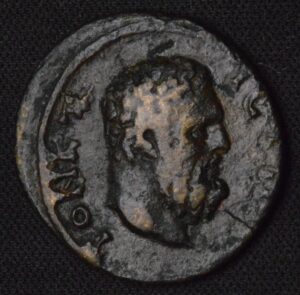
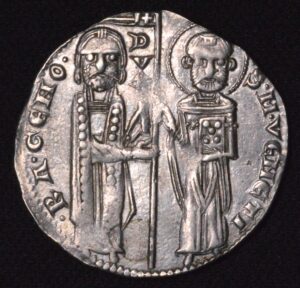
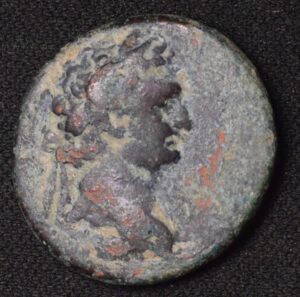
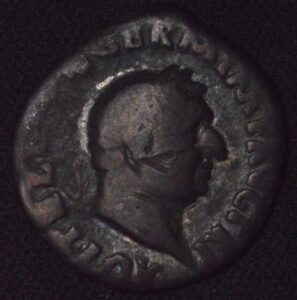
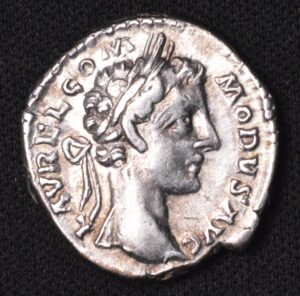
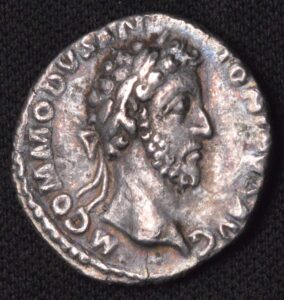
The Roman Bronze Maximianus Antoninianus is a notable example of imperial coinage from the reign of Emperor Maximian, who ruled as co-emperor alongside Diocletian during the late Roman Empire. This coin, known as an antoninianus, was originally introduced as a silver-based denomination but often found in bronze due to wear or debasement over time. It played a key role in everyday transactions and reflects the economic strategies of the empire during a period of significant military and political upheaval.

On the obverse, the coin typically features a profile portrait of Emperor Maximian, often shown wearing a radiate crown, which signifies his status as a ruler and divine authority. The detailed portrait emphasizes his imperial dignity, with fine engravings capturing facial features, headgear, and regal attire. Surrounding the image are inscriptions that identify him by his titles, such as “IMP MAXIMIANVS AVG,” reinforcing his legitimacy and authority in the empire. The radiate crown symbolizes his divine right and association with the sun god, a common motif to legitimize imperial power.

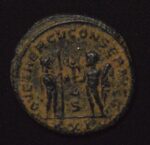
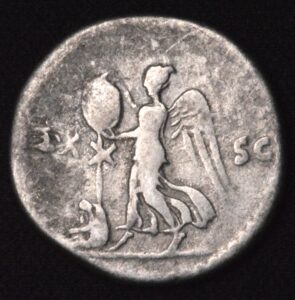
The reverse of the coin often depicts symbols of military strength, victory, or divine protection. Common motifs include a standing figure of Victory holding a wreath or palm branch, or deities associated with stability and protection, such as Sol or Sol Invictus, emphasizing the emperor’s divine favor and military success. The inscriptions on the reverse may include references to his titles, achievements, or the stability of the empire. These symbols served as propaganda tools, promoting the emperor’s strength and divine backing to the populace.

Made from bronze, the Antoninianus in many cases was a more affordable and widely circulated coin, especially during periods of economic decline or inflation. While originally intended to contain silver, many later examples were debased, resulting in coins that are primarily bronze with a thin silver wash or entirely bronze, as seen in some surviving specimens. Despite their modest material, these coins carried significant symbolic weight, reinforcing the emperor’s image and the stability of his reign in everyday transactions.

Today, the Roman Bronze Maximianus Antoninianus is valued for its historical significance and as a representation of Roman imperial propaganda. Its imagery and inscriptions provide insights into the political messaging, religious symbolism, and economic conditions of the late Roman Empire. Despite variations in condition, these coins remain important artifacts, offering a tangible connection to the era of Maximian and the broader narrative of imperial Rome’s complex history.
The Roman Bronze Maximianus Antoninianus is a notable example of imperial coinage from the reign of Emperor Maximian, who ruled as co-emperor alongside Diocletian during the late Roman Empire. This coin, known as an antoninianus, was originally introduced as a silver-based denomination but often found in bronze due to wear or debasement over time. It played a key role in everyday transactions and reflects the economic strategies of the empire during a period of significant military and political upheaval. On the obverse, the coin typically features a profile portrait of Emperor Maximian, often shown wearing a radiate crown, which signifies his status as a ruler and divine authority. The detailed portrait emphasizes his imperial dignity, with fine engravings capturing facial features, headgear, and regal attire. Surrounding the image are inscriptions that identify him by his titles, such as “IMP MAXIMIANVS AVG,” reinforcing his legitimacy and authority in the empire. The radiate crown symbolizes his divine right and association with the sun god, a common motif to legitimize imperial power. The reverse of the coin often depicts symbols of military strength, victory, or divine protection. Common motifs include a standing figure of Victory holding a wreath or palm branch, or deities associated with stability and protection, such as Sol or Sol Invictus, emphasizing the emperor’s divine favor and military success. The inscriptions on the reverse may include references to his titles, achievements, or the stability of the empire. These symbols served as propaganda tools, promoting the emperor’s strength and divine backing to the populace. Made from bronze, the Antoninianus in many cases was a more affordable and widely circulated coin, especially during periods of economic decline or inflation. While originally intended to contain silver, many later examples were debased, resulting in coins that are primarily bronze with a thin silver wash or entirely bronze, as seen in some surviving specimens. Despite their modest material, these coins carried significant symbolic weight, reinforcing the emperor’s image and the stability of his reign in everyday transactions. Today, the Roman Bronze Maximianus Antoninianus is valued for its historical significance and as a representation of Roman imperial propaganda. Its imagery and inscriptions provide insights into the political messaging, religious symbolism, and economic conditions of the late Roman Empire. Despite variations in condition, these coins remain important artifacts, offering a tangible connection to the era of Maximian and the broader narrative of imperial Rome’s complex history.

CUSTOMER FEEDBACK

Set your categories menu in Header builder -> Mobile -> Mobile menu element -> Show/Hide -> Choose menu
Create your first navigation menu here
Shopping cart
Start typing to see posts you are looking for.

OFFER A PRICE

Send Your Offer Below! Scroll photo!

Roman Bronze Maximianus Antoninianus Bronze Coin