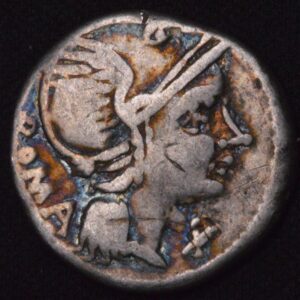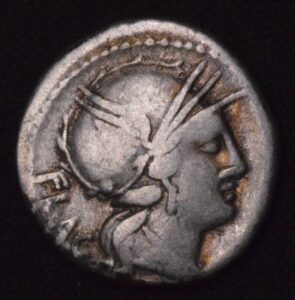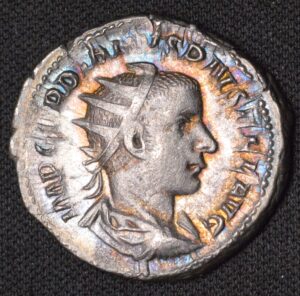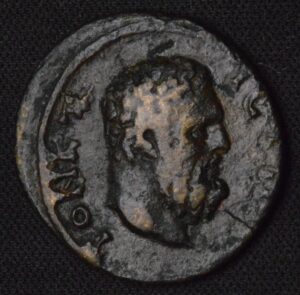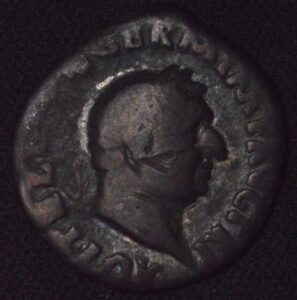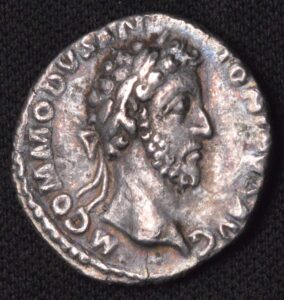
The large silver billon Roman coin featuring Valerian with a great portrait is a striking example of imperial Roman numismatics. Valerian, who reigned as emperor from 253 to 260 A.D., was known for his military campaigns and his tumultuous rule during a period of crises in the Roman Empire. Coins bearing his image were used to disseminate imperial authority and reinforce his legitimacy across the empire, and a large silver billon coin with a prominent portrait signifies its importance and high artistic quality.
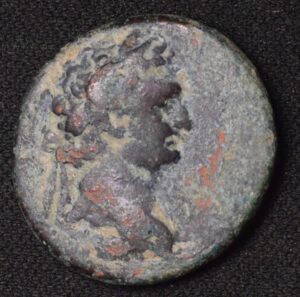
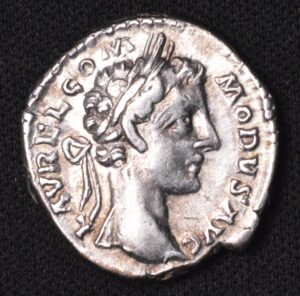
The obverse of the coin prominently displays a detailed and impressive portrait of Emperor Valerian. His features are rendered with remarkable clarity, showcasing a strong profile or frontal view that emphasizes his regal bearing. The portrait likely depicts him wearing a laurel wreath or diadem, symbols of imperial power and divine favor. The craftsmanship is notable for its high relief and realistic depiction, capturing the emperor’s authority and stature.
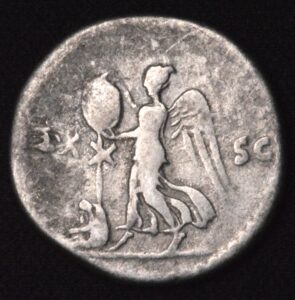
On the reverse, the coin typically features symbolic imagery or deities associated with Roman virtues, such as Victory, Pax, or a deity granting protection to the empire. Alternatively, it may include inscriptions that commemorate his reign or military achievements. The detailed engravings and symbols reinforce the emperor’s legitimacy and the stability of his rule, especially during a period marked by internal struggles and external threats.
Made of billon—an alloy of silver and base metals—this coin balances value and durability, making it suitable for circulation across the vast Roman territories. Its large size and fine detail reflect the high minting standards of the period, and the coin’s surviving condition suggests it was well-preserved. The vibrant toning and clarity of the portrait enhance its aesthetic appeal and collector value.
Overall, this large silver billon coin with Valerian’s great portrait is a significant artifact that provides a vivid glimpse into the imperial propaganda, artistry, and political climate of 3rd-century Rome. Its impressive portrait and symbolic imagery make it a prized piece for collectors and historians interested in the tumultuous era of Valerian’s reign, offering a lasting connection to Rome’s imperial history.