$460.00

1 in stock

Description

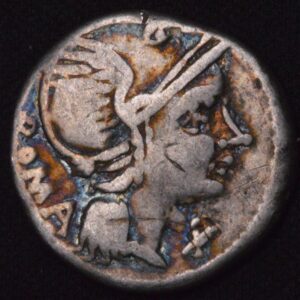
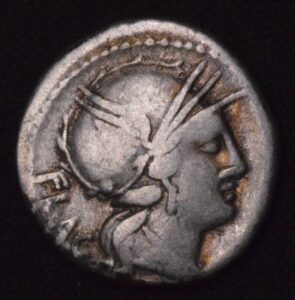
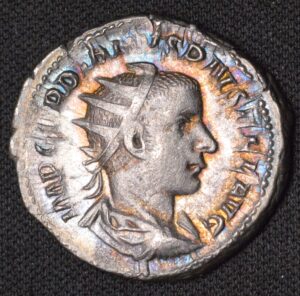
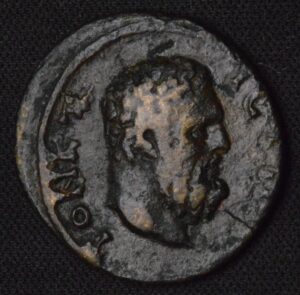
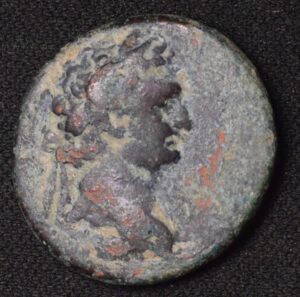
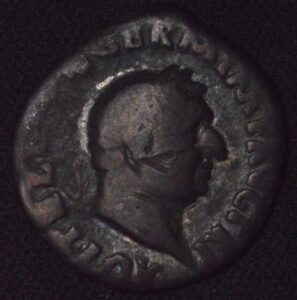
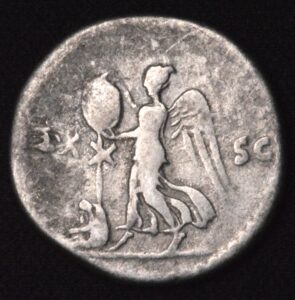
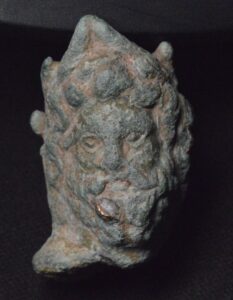
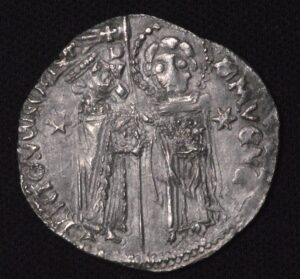
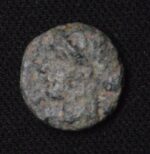
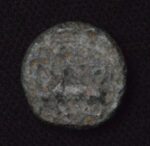
The AEOLIS Boione coin from the early 3rd century BC is a rare and highly collectible example of ancient Greek numismatics. Boione was a city in Aeolis, a region in northwestern Asia Minor, known for its distinctive coinage and local artistic styles. The coin, a chalkous (a small bronze or silver denomination), features a bull on the reverse, which is a significant and symbolic motif in Greek culture, often associated with strength, fertility, and local religious practices.

The design of this early 3rd-century BC chalkous typically showcases a detailed depiction of a bull, rendered with careful craftsmanship that highlights the animal’s powerful form and dynamic posture. The bull motif may reflect local religious or mythological significance, possibly linked to fertility cults or regional deities worshiped by the inhabitants of Boione. The obverse side usually bears a civic or symbolic emblem, such as a city symbol or a stylized motif, further emphasizing the city’s identity and pride.

The rarity of this coin adds to its importance among collectors and scholars. Few examples have survived through the centuries, making it a prized artifact for those interested in Aeolian coinage or regional Greek issues. Its age, combined with the detailed imagery and limited mintages, underscores its significance as a rare piece of early Hellenistic coinage in Asia Minor. The coin’s condition, especially if it retains a good patina and clear imagery, increases its desirability and value.

The early 3rd century BC was a period of transition and regional development in Aeolis, following the classical era of Greece. Coins like this chalkous provide valuable insights into local economies, religious practices, and artistic styles during this dynamic time. The bull’s image serves as a symbol of local identity, and its rarity makes this coin a noteworthy addition to any collection focused on Greek city-states or regional coinage.

In conclusion, the AEOLIS Boione chalkous with a bull from the early 3rd century BC is a rare and fascinating artifact. Its symbolic imagery, historical context, and scarcity make it a prized piece for collectors and historians alike. As a tangible link to ancient Aeolis, it continues to shed light on the cultural and economic landscape of this intriguing region in Greek antiquity.

The AEOLIS Boione coin from the early 3rd century BC is a rare and highly collectible example of ancient Greek numismatics. Boione was a city in Aeolis, a region in northwestern Asia Minor, known for its distinctive coinage and local artistic styles. The coin, a chalkous (a small bronze or silver denomination), features a bull on the reverse, which is a significant and symbolic motif in Greek culture, often associated with strength, fertility, and local religious practices. The design of this early 3rd-century BC chalkous typically showcases a detailed depiction of a bull, rendered with careful craftsmanship that highlights the animal’s powerful form and dynamic posture. The bull motif may reflect local religious or mythological significance, possibly linked to fertility cults or regional deities worshiped by the inhabitants of Boione. The obverse side usually bears a civic or symbolic emblem, such as a city symbol or a stylized motif, further emphasizing the city’s identity and pride. The rarity of this coin adds to its importance among collectors and scholars. Few examples have survived through the centuries, making it a prized artifact for those interested in Aeolian coinage or regional Greek issues. Its age, combined with the detailed imagery and limited mintages, underscores its significance as a rare piece of early Hellenistic coinage in Asia Minor. The coin’s condition, especially if it retains a good patina and clear imagery, increases its desirability and value. The early 3rd century BC was a period of transition and regional development in Aeolis, following the classical era of Greece. Coins like this chalkous provide valuable insights into local economies, religious practices, and artistic styles during this dynamic time. The bull’s image serves as a symbol of local identity, and its rarity makes this coin a noteworthy addition to any collection focused on Greek city-states or regional coinage. In conclusion, the AEOLIS Boione chalkous with a bull from the early 3rd century BC is a rare and fascinating artifact. Its symbolic imagery, historical context, and scarcity make it a prized piece for collectors and historians alike. As a tangible link to ancient Aeolis, it continues to shed light on the cultural and economic landscape of this intriguing region in Greek antiquity.

CUSTOMER FEEDBACK

Set your categories menu in Header builder -> Mobile -> Mobile menu element -> Show/Hide -> Choose menu
Create your first navigation menu here
Shopping cart
Start typing to see posts you are looking for.

OFFER A PRICE

Send Your Offer Below! Scroll photo!

AEOLIS Boione Early 3rd Century BC Chalkous Bull RARE