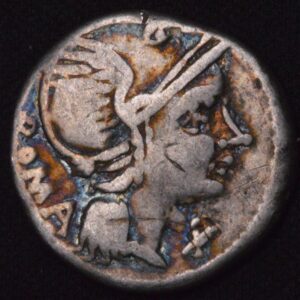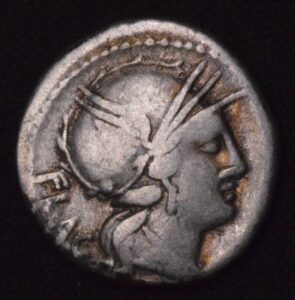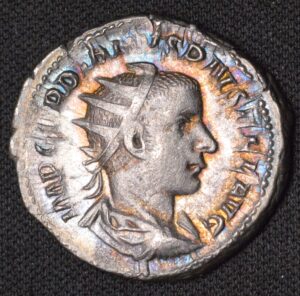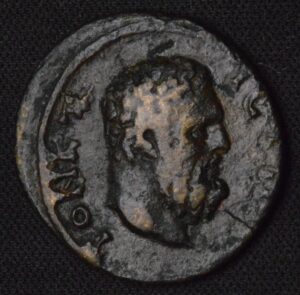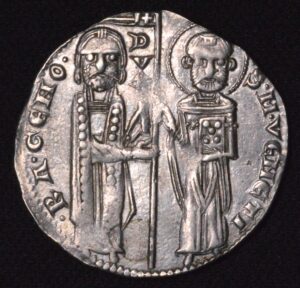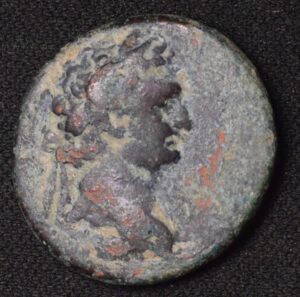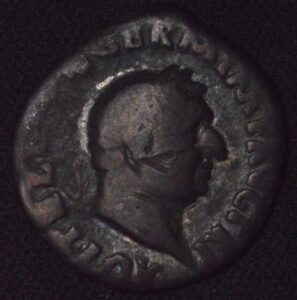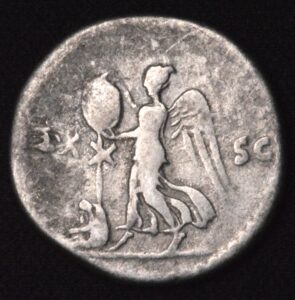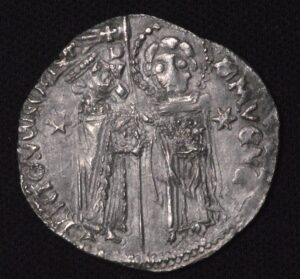
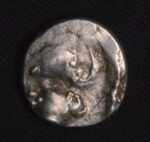
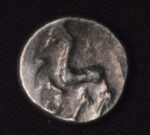
An ancient Gaul silver coin is a fascinating artifact that provides insight into the rich and diverse cultures of Celtic tribes and early Gallic societies before Roman conquest. These coins are among the earliest examples of coinage in Western Europe, reflecting the artistic traditions, trade practices, and political structures of ancient Gaul.
Design & Imagery: Gaulish silver coins often feature intricate designs, including stylized animals, geometric patterns, and symbolic motifs. Common motifs include boars, horses, and warrior figures, which held cultural or religious significance. Some coins display abstract or heavily stylized images that emphasize tribal identity or spiritual beliefs.
Material & Composition: Made from silver, these coins were valued for their durability and intrinsic worth. The silver content varies, but many exhibit a high level of craftsmanship with detailed engravings. Their size and weight can differ depending on the tribe or region that produced them.
Historical Context: Produced by various Celtic tribes across what is now France, Belgium, and surrounding regions, Gaulish silver coins served as currency for trade, tribute, or ceremonial purposes. They predate Roman coinage in the area and reveal a decentralized, tribal-based economic system. These coins also often bore tribal symbols or markings that facilitate identification of their origin.
Significance: Gaulish silver coins are highly valued by collectors and archaeologists for their artistry and historical importance. They offer a glimpse into the societal structures, religious beliefs, and trade networks of ancient Celtic peoples. Their designs reflect a culture rich in symbolism and artistic expression, distinct from Roman or Greek influences.
Overall, an ancient Gaul silver coin is a remarkable artifact representing the early monetary practices and vibrant cultural identity of Celtic tribes in ancient Europe. Its craftsmanship and symbolism make it a treasured piece for those interested in early European history and numismatics.