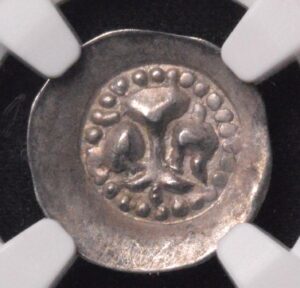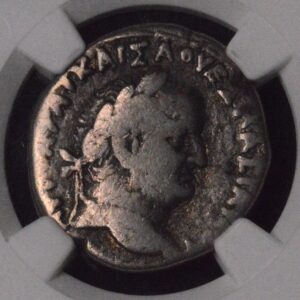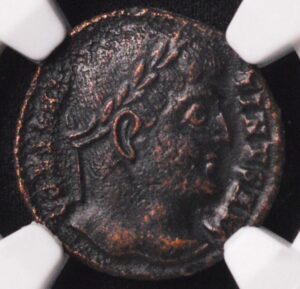
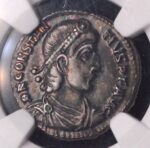
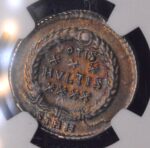
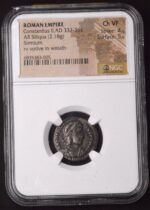
The double-sided monster-toned Ancient Roman Constantius II AR Siliqua, dating from 337-361 A.D., is a remarkable example of late Roman imperial coinage. With its distinctive size of 19mm and its exceptional coloration, this coin stands out as a striking piece that combines historical significance with exceptional aesthetic appeal. The monster toning, a result of natural oxidation over centuries, adds depth and vibrant color variation, making it highly desirable among collectors and numismatists.
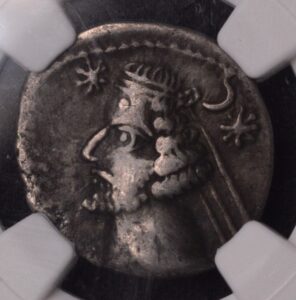
On the obverse, the coin features a portrait of Constantius II depicted as Augustus, showing him in a regal and authoritative manner. His profile is often rendered with fine detail, emphasizing his youthful features and imperial regalia, such as a laurel wreath or diadem. The inscriptions surrounding the portrait typically include his titulature, affirming his status as emperor and emphasizing his legitimacy and divine favor.
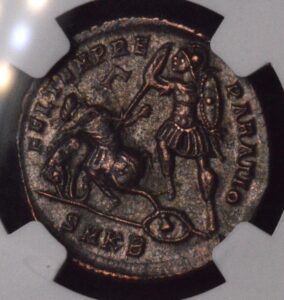
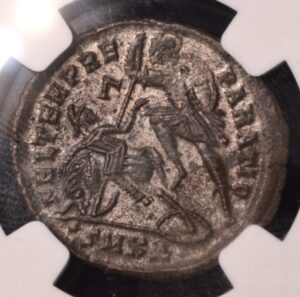
The reverse of the coin usually displays a symbolic motif or a deity, such as the Roman goddess Virtus or an imperial emblem, further reinforcing the emperor’s authority and the stability of his reign. The detailed craftsmanship on both sides highlights the artistry of late Roman minting, with clear and sharp designs despite the coin’s age. The well-preserved condition, classified as NGC Choice VF 4/5, 5/5, indicates it has excellent eye appeal, with minimal wear and vibrant coloration that enhances its visual impact.
Made of silver, the siliqua was a high-value denomination used in the late Roman monetary system. Its size and weight reflect its importance in trade and state transactions during this period. The natural toning, particularly the “monster” hues, adds a unique character to the coin, making each piece somewhat unique in appearance. This combination of historical significance, artistic detail, and aesthetic beauty makes it a prized collector’s item.
Overall, this Constantius II AR Siliqua represents a fascinating snapshot of Roman imperial history. Its double-sided imagery, vibrant toning, and superior condition make it a standout piece in any collection of late Roman coins. It embodies the grandeur and complexity of the empire during a critical era of its history, offering both numismatic value and a visual connection to the legacy of Constantius II.