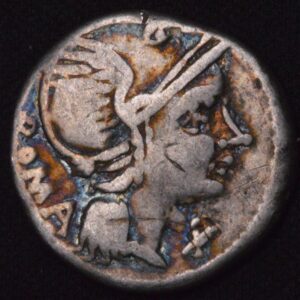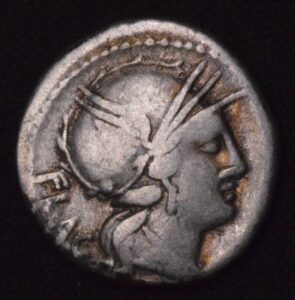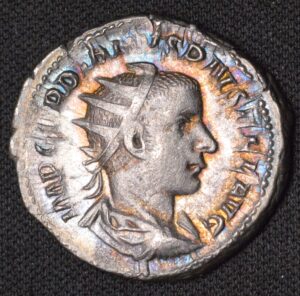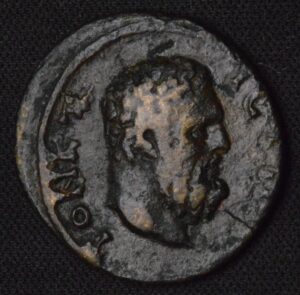
The Emperor Severus Alexander Sestertius from 222-235 A.D. is a distinguished coin that exemplifies the artistry and imperial propaganda of the Roman Empire during the early 3rd century. As a sestertius, a large brass or bronze coin, it served as a significant denomination used in everyday transactions and was often richly engraved to carry imperial imagery and messages of stability and divine favor.
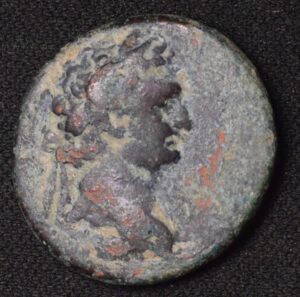
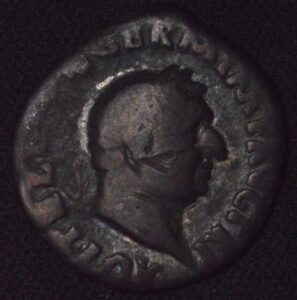
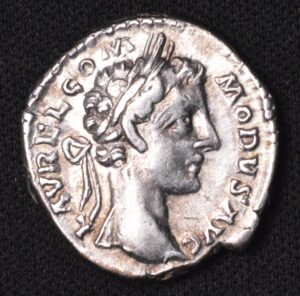
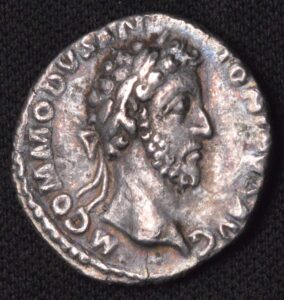
On the obverse, the coin features a detailed portrait of Emperor Severus Alexander, depicted with youthful features and a calm, regal expression that emphasizes his role as a benevolent ruler. He is usually shown wearing a laurel wreath or diadem, symbols of sovereignty and divine authority. The inscriptions surrounding his profile typically include his imperial titles, such as “IMP SEV ALEXANDER AVG,” highlighting his status as emperor and emphasizing his legitimacy.
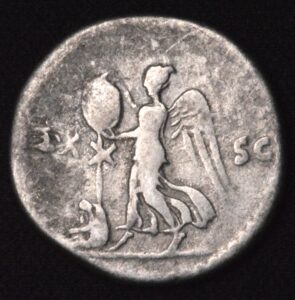
The reverse of the sestertius often displays a symbolic or propagandistic image designed to promote the emperor’s virtues or achievements. Common themes include depictions of deities, virtues like Justice or Victory, or personifications of peace and prosperity. Some coins show the emperor performing a gesture of blessing or holding symbols like a scepter or globe, reinforcing his role as protector and ruler of the Roman world. The inscriptions on the reverse often reinforce messages of stability, peace, or divine favor.
Made primarily of brass or bronze, the sestertius was durable and widely circulated across the empire, making it an important tool for disseminating imperial propaganda. The coin’s detailed craftsmanship and high relief designs reflect the artistic standards of the period, with many surviving examples displaying sharp details and a pleasing patina, especially in well-preserved specimens.
Today, the Severus Alexander Sestertius is highly valued by collectors for its historical significance and artistic beauty. It offers insights into the political messaging, religious symbolism, and civic ideals of the Roman Empire under Severus Alexander’s rule. As a tangible artifact of Roman imperial history, it embodies the stability and continuity the emperor sought to project during a complex and dynamic period of Roman history.