$7,000.00

1 in stock

Description

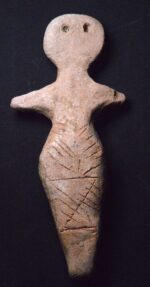
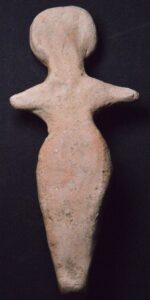
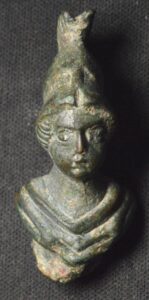
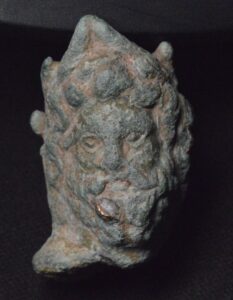
The object in question is a somewhat small, intricately crafted terracotta statuette originating from the Neolithic period, specifically associated with the Cucuteni-Trypillian culture. This culture thrived in what is now Eastern Europe, particularly in regions that encompass modern-day Moldova, Ukraine, and Romania, around 5500 to 2750 BCE. The statuette is a testament to the craftsmanship and spiritual life of these early communities, reflecting their artistic practices and religious beliefs.

The figurine is made from fired clay, giving it a durable yet fragile quality that has endured thousands of years. Its surface exhibits detailed workmanship, with carefully modeled features that may suggest a focus on fertility, deities, or ancestral veneration. The proportions and posture of the figure indicate a symbolic significance, potentially representing a divine or semi-divine entity revered in their ritual practices. The artifact’s size suggests it was either a personal item or a ritual object used in ceremonies.

Distinctive aspects of this statuette include its stylized facial features and body markings, which might have held symbolic meanings. The craftsmanship demonstrates an understanding of human anatomy, albeit rendered in a highly abstracted manner. The surface often bears traces of pigmentation or residues that could have been used to enhance its visual or spiritual impact during rituals. Such details point to a complex layer of cultural symbolism embedded in its design.

The mention of the Annunaki in relation to this artifact is an anachronistic interpretation, as the Annunaki are mythological deities from Sumerian cosmology, originating thousands of years later. However, some theorists have drawn parallels between ancient Near Eastern deities and those of European Neolithic cultures, suggesting a possible shared mythological or cultural influence. This connection remains speculative and is not supported by direct archaeological evidence but underscores the fascination with ancient divine imagery across different civilizations.

Overall, this terracotta statuette embodies the spiritual and artistic endeavors of the Cucuteni-Trypillian people. Its craftsmanship reveals a society deeply engaged with the sacred, using symbolic forms to invoke or honor entities believed to influence their world. As an artifact, it offers a glimpse into the complex religious landscape of early European Neolithic communities, reflecting their beliefs, rituals, and artistic expression.

The object in question is a somewhat small, intricately crafted terracotta statuette originating from the Neolithic period, specifically associated with the Cucuteni-Trypillian culture. This culture thrived in what is now Eastern Europe, particularly in regions that encompass modern-day Moldova, Ukraine, and Romania, around 5500 to 2750 BCE. The statuette is a testament to the craftsmanship and spiritual life of these early communities, reflecting their artistic practices and religious beliefs. The figurine is made from fired clay, giving it a durable yet fragile quality that has endured thousands of years. Its surface exhibits detailed workmanship, with carefully modeled features that may suggest a focus on fertility, deities, or ancestral veneration. The proportions and posture of the figure indicate a symbolic significance, potentially representing a divine or semi-divine entity revered in their ritual practices. The artifact’s size suggests it was either a personal item or a ritual object used in ceremonies. Distinctive aspects of this statuette include its stylized facial features and body markings, which might have held symbolic meanings. The craftsmanship demonstrates an understanding of human anatomy, albeit rendered in a highly abstracted manner. The surface often bears traces of pigmentation or residues that could have been used to enhance its visual or spiritual impact during rituals. Such details point to a complex layer of cultural symbolism embedded in its design. The mention of the Annunaki in relation to this artifact is an anachronistic interpretation, as the Annunaki are mythological deities from Sumerian cosmology, originating thousands of years later. However, some theorists have drawn parallels between ancient Near Eastern deities and those of European Neolithic cultures, suggesting a possible shared mythological or cultural influence. This connection remains speculative and is not supported by direct archaeological evidence but underscores the fascination with ancient divine imagery across different civilizations. Overall, this terracotta statuette embodies the spiritual and artistic endeavors of the Cucuteni-Trypillian people. Its craftsmanship reveals a society deeply engaged with the sacred, using symbolic forms to invoke or honor entities believed to influence their world. As an artifact, it offers a glimpse into the complex religious landscape of early European Neolithic communities, reflecting their beliefs, rituals, and artistic expression.

CUSTOMER FEEDBACK

Set your categories menu in Header builder -> Mobile -> Mobile menu element -> Show/Hide -> Choose menu
Create your first navigation menu here
Shopping cart
Start typing to see posts you are looking for.

OFFER A PRICE

Send Your Offer Below! Scroll photo!

EXTREMELY ANCIENT NEOLITHIC TERRACOTTA STATUETTE – CUCUTENI-TRYPILLIAN CULTURE ANNUNAKI!