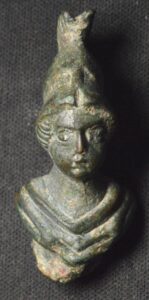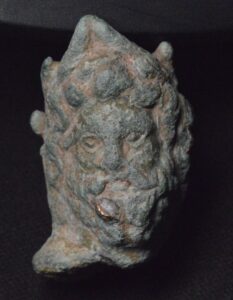
A Greek Statue of Dionysus Head is a remarkable representation of one of the most important gods in ancient Greek mythology. Dionysus, the god of wine, theater, and revelry, was widely worshipped and often depicted in sculpture to honor his divine influence. A statue focusing on his head captures the expressive features and artistic mastery of ancient Greek sculptors, showcasing the divine’s youthful, lively, and sometimes mischievous personality.
The head of Dionysus is typically characterized by flowing, wavy hair and a serene or joyful expression, reflecting his association with celebration and ecstasy. Artists often emphasized his youthful appearance, with idealized features that symbolize vitality and divine beauty. Sometimes, the sculpture includes elements like a wreath of ivy or grapes, further reinforcing his connection to wine and festivities, although such details may be part of the overall statue rather than just the head.
Crafted from materials such as marble or bronze, Greek statues of Dionysus’s head exemplify the skill and artistic sensibilities of classical sculptors. The detailed carving reveals intricate hair textures, expressive eyes, and delicate features that convey both divine authority and approachable charisma. Such statues were often placed in temples, public spaces, or used in processions, serving as both religious icons and works of art.
A well-preserved Greek statue head of Dionysus is not only a beautiful artifact but also a valuable glimpse into ancient Greek religious practices and artistic achievements. Its timeless aesthetic and symbolic significance make it a prized piece for collectors, historians, and art enthusiasts alike. The craftsmanship and cultural importance embodied in this sculpture continue to inspire admiration and scholarly interest.
Owning or viewing a Greek statue of Dionysus’s head offers a direct connection to ancient Greek mythology, religion, and artistry. Whether as a standalone piece or part of a larger sculpture, it captures the essence of a god associated with joy, chaos, and cultural celebration. Such a work remains a testament to the enduring legacy of Greek civilization and its artistic excellence.