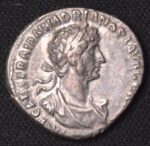
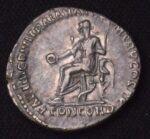
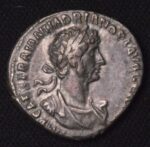
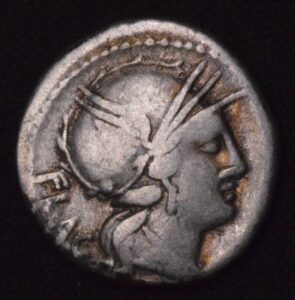
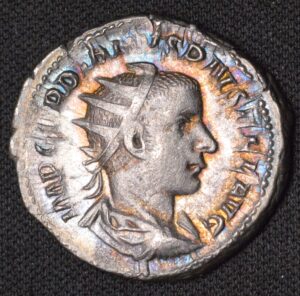
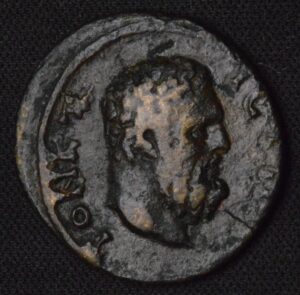
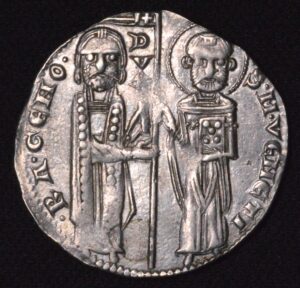
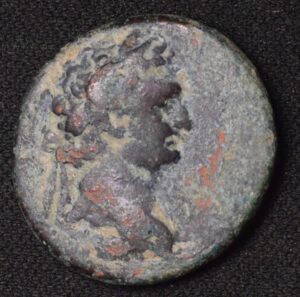
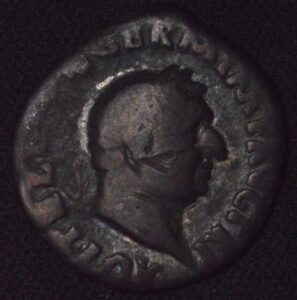
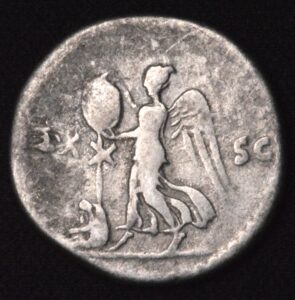
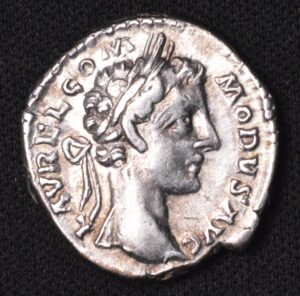
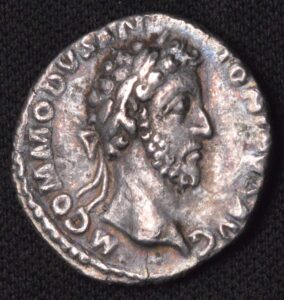
The denarius featuring Emperor Hadrian, minted between August and December AD 117 at the Rome mint, is an important artifact that exemplifies the coinage of one of Rome’s most renowned emperors. With a diameter of 18 mm and weighing approximately 2.80 grams, this coin reflects the standard size and weight used during Hadrian’s reign, designed for circulation across the vast Roman Empire. As a product of the early years of his rule, the coin carries significant historical and political symbolism, serving both as currency and as a tool to promote imperial authority.
Emperor Hadrian ascended to the throne in AD 117, succeeding Trajan, and his reign marked a shift toward consolidating and securing the empire’s borders. Coins from this period often bore imagery that conveyed stability, strength, and the divine right of the emperor. The craftsmanship of this denarius, with its detailed engraving and clear inscriptions, would have been intended to communicate Hadrian’s legitimacy and virtues to the Roman populace. The slight size and weight reflect the practical considerations of coinage while maintaining the high artistic standards of the imperial mint.
The specific period of minting—August to December AD 117—places this coin in the initial months of Hadrian’s rule, a time when propaganda through coinage was particularly important. Coins like this would have circulated widely, reinforcing Hadrian’s image as a capable and divine ruler. The imagery and inscriptions on the coin (not detailed here) likely emphasized themes of stability, prosperity, or divine favor, which were central to imperial propaganda. The quality and preservation of this coin suggest it was well struck and has survived in excellent condition, making it a valuable collector’s piece.
Hadrian’s coins also often featured symbolic imagery such as portraits of the emperor, deities, or allegorical figures representing virtues like justice, peace, or strength. These elements served to bolster his image across the empire. The denarius’s size and design were carefully calibrated to ensure it was recognizable and trustworthy in everyday transactions, embodying both economic stability and imperial authority. Its historical context provides insight into the early days of Hadrian’s reign, a period of consolidation after Trajan’s expansion.
In summary, this denarius of Hadrian is a significant numismatic artifact that encapsulates the early imperial propaganda and artistic excellence of the Roman Empire. Its historical importance, combined with its well-preserved condition, makes it a prized piece for collectors and historians interested in the era of Hadrian’s rule. As a tangible connection to one of Rome’s most influential emperors, this coin continues to tell the story of a period marked by stability, cultural achievement, and imperial strength.