The Justinian Byzantine Bronze AE coin is a significant artifact from the era of Emperor Justinian I, who ruled the Byzantine Empire from 527 to 565 AD. These coins were primarily used for everyday transactions and provide valuable insights into the economic and political landscape of the Byzantine Empire during his reign. Made from bronze, a more affordable and widely available metal, these coins were essential for facilitating commerce across the vast territories controlled by Justinian, including parts of Europe, Asia, and North Africa. Their durability and widespread circulation made them a common medium of exchange for the common people and merchants alike.
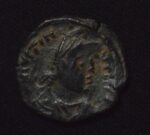
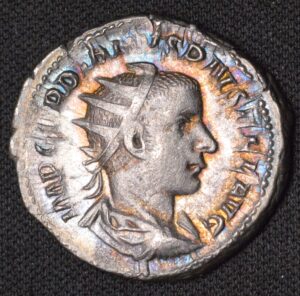
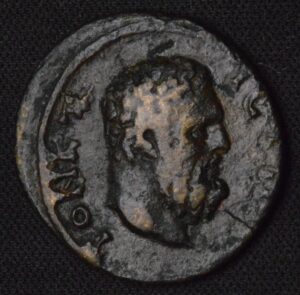
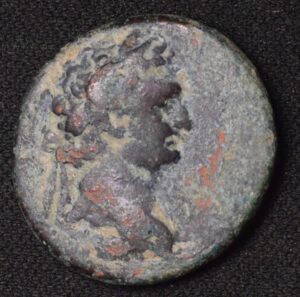
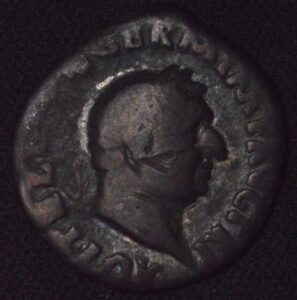
The obverse side of the coin typically features a portrait of Justinian, often depicted with a crown and imperial regalia, emphasizing his authority and divine right to rule. The detailed craftsmanship highlights the emperor’s facial features, beard, and regal attire, which served to reinforce his image as a powerful and divine ruler. Surrounding the portrait are inscriptions identifying him as emperor, often including titles like “Imperator” or “Augustus,” which solidified his political legitimacy. These coins served not only as currency but also as visual propaganda, reminding the populace of Justinian’s leadership and divine favor.
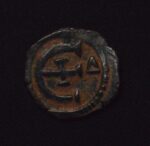
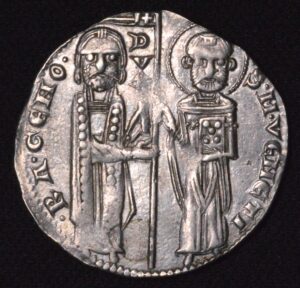
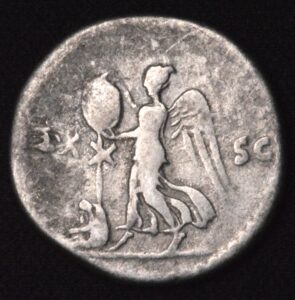
On the reverse, the coin usually displays religious or imperial symbols that reflect the Byzantine worldview. Common motifs include Christian crosses, images of saints, or imperial emblems such as the cross or the labarum. These symbols reinforced the close relationship between church and state, a central theme of Justinian’s reign, which aimed to strengthen Christianity’s role within the empire. Inscriptions on the reverse might include references to divine guidance or the emperor’s titles, further linking Justinian’s authority to religious legitimacy and divine support.
The bronze material of the coin indicates its role in everyday economic activity, contrasting with gold or silver coins that were reserved for higher-value transactions or official purposes. Bronze coins like these were used by common citizens for daily purchases, wages, and local trade. Despite their modest material, these coins carried significant symbolic weight, as they bore the emperor’s image and served as a constant reminder of imperial authority in daily life. Their widespread circulation helped unify the diverse and expansive Byzantine Empire under Justinian’s rule, facilitating economic stability and cohesion.
Today, Justinian Byzantine bronze AE coins are valued by collectors and historians for their insights into Byzantine art, economy, and political ideology. They exemplify how currency was used as a tool for propaganda and social cohesion, linking the economic system with imperial authority and religious devotion. These coins continue to be studied for their artistic detail, inscriptions, and iconography, providing a tangible connection to the complex world of Justinian’s empire and its enduring influence on Byzantine history.