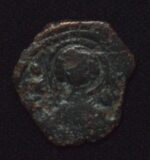
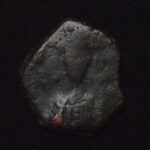
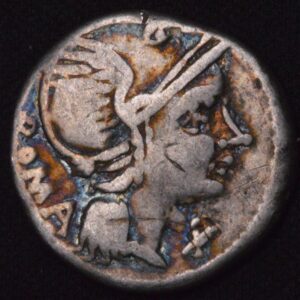
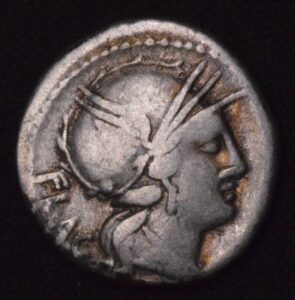
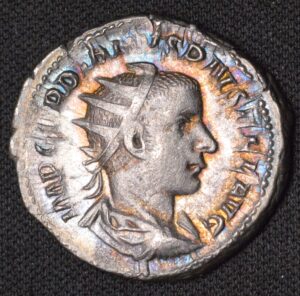
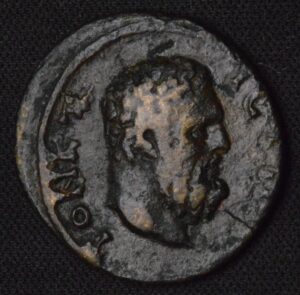
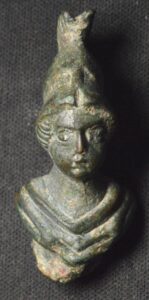
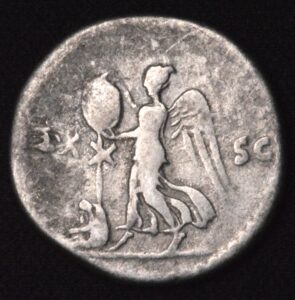
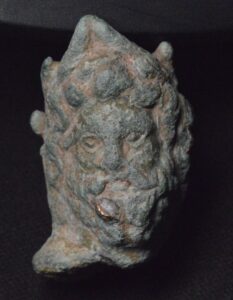
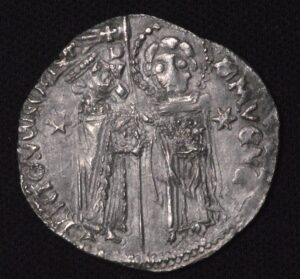
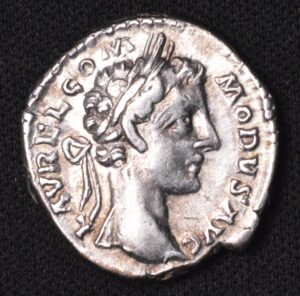
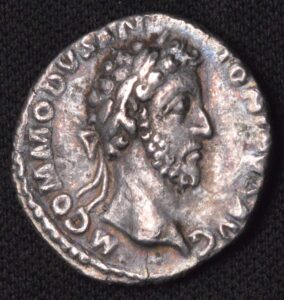
An old ancient Byzantine coin in poor condition is a fascinating relic from one of the most influential periods in Eastern Roman history. Despite its wear and damage, such a coin still holds significant historical value, providing insights into the Byzantine Empire’s monetary system, art, and political symbolism. Coins in poor condition often show heavy circulation, which indicates that they were used extensively in daily transactions, reflecting the economic activity of the time. The wear may obscure some details, but even these coins serve as tangible links to the past, connecting us to the everyday lives of Byzantines.
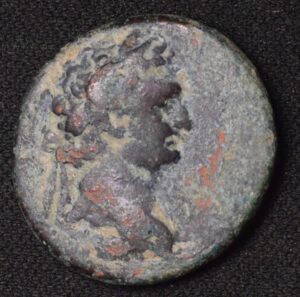
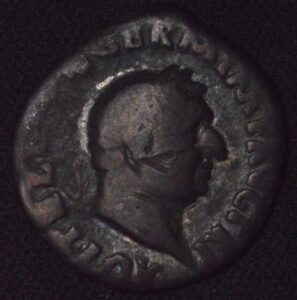
Typically, a Byzantine coin in poor condition may have a heavily worn surface, with some details of the portrait or inscriptions barely visible or eroded. The images of emperors or religious symbols might be faint, but enough remains to identify the coin’s general origin and period. Such coins were struck from precious or base metals, including gold, silver, or bronze, and continued to circulate for years, accumulating scratches, corrosion, and other signs of age. Despite their condition, they are valued by collectors and historians because they embody the widespread use of currency and the continuity of Byzantine culture.
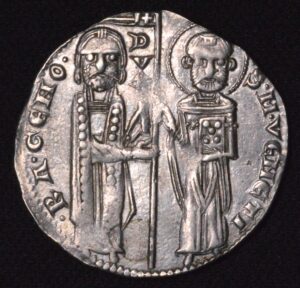
On the obverse, even in poor condition, one might discern a faint outline of the emperor’s profile or a religious icon, often accompanied by inscriptions that identify the ruler or title. These inscriptions, though worn, can sometimes be read with careful examination, offering clues about the emperor or period during which the coin was struck. The reverse side might display Christian symbols, crosses, or imperial motifs, which were central to Byzantine identity. The wear on these coins illustrates the intense circulation and the importance of coinage in reinforcing imperial and religious authority.
Despite the damage and corrosion, coins in poor condition remain valuable for historical and archaeological research. They can help date certain periods, identify rulers, and understand the economic reach of the Byzantine Empire. These coins also reveal information about trade routes, metal sourcing, and the extent of circulation within the empire. Collectors prize them for their authenticity and as artifacts of daily life, offering a glimpse into the economic hardships, resource limitations, or extensive usage that characterized much of Byzantine history.
In summary, an old Byzantine coin in poor condition, while less visually striking than well-preserved specimens, still carries profound historical significance. It exemplifies the enduring nature of Byzantine currency and its role in shaping the empire’s identity. Despite their worn state, these coins continue to tell stories of the empire’s political, religious, and economic history, making them invaluable pieces for anyone interested in Byzantine heritage.