$450.00

1 in stock

Description

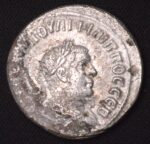
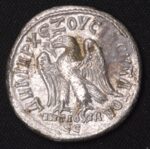
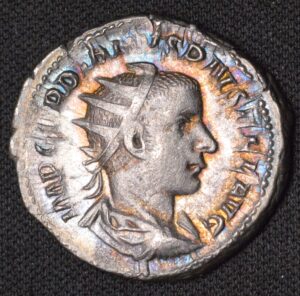
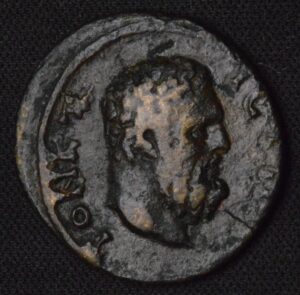
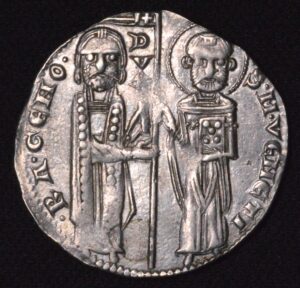
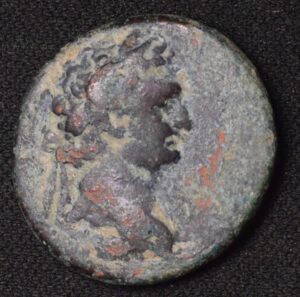
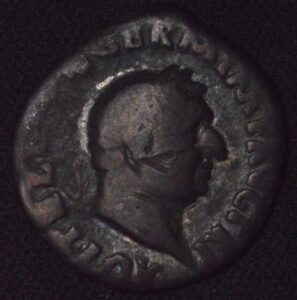
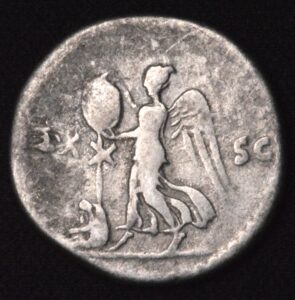
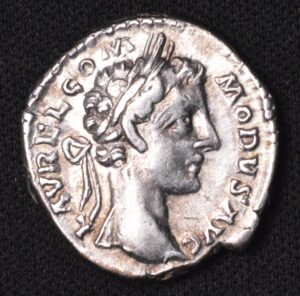
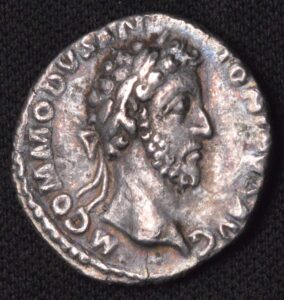
The silver tetradrachm of Philip II, minted between 247 and 249 A.D., is a distinguished example of Roman provincial coinage during the mid-3rd century. With its substantial size and weight, the tetradrachm served as a prominent high-value coin, often used for trade, ceremonial, or diplomatic purposes within the empire’s provincial regions. Struck in silver, this coin exemplifies the craftsmanship and artistic standards of the period, reflecting both local cultural influences and imperial authority.

Philip II was a Roman client king of the Hellenistic city of Thrace and a supporter of Roman interests in the region. His coinage typically featured a portrait of the ruler on the obverse, emphasizing his status and connection to the broader Roman imperial system. The reverse often depicted deities, symbols of authority, or regional motifs that underscored his legitimacy and the cultural identity of his city. The high-quality silver and detailed engraving of this tetradrachm demonstrate the skill of the minting artisans and the importance of coinage as a means of political and economic expression.

This particular coin’s date range, AD 247–249, situates it during a period of relative stability under Philip II’s rule, shortly before the tumultuous times of the Crisis of the Third Century. The coin would have circulated widely within the region, facilitating commerce and reinforcing Philip’s authority. Its silver content and size made it suitable for larger transactions, and its imagery served to promote loyalty and recognition of his rule among the local populace and neighboring regions.

The artistic details and regional symbolism on this tetradrachm offer insights into the cultural blending of Greek tradition and Roman influence. Such coins often featured a blend of Hellenistic artistic motifs with Roman imperial iconography, reflecting the cultural dynamics of the provinces. The coin’s preservation and craftsmanship make it a valuable piece for numismatists and historians studying regional governance, cultural identity, and monetary systems during this transitional period.

In summary, this silver tetradrachm of Philip II is a significant artifact that captures the artistic, political, and economic realities of mid-3rd century Thrace. Its rarity, historical context, and high-quality condition make it a prized addition for collectors and scholars interested in Roman provincial coinage and the broader cultural landscape of the late Roman Empire’s frontier regions. It stands as a testament to the enduring legacy of local rulers within the imperial framework.
The silver tetradrachm of Philip II, minted between 247 and 249 A.D., is a distinguished example of Roman provincial coinage during the mid-3rd century. With its substantial size and weight, the tetradrachm served as a prominent high-value coin, often used for trade, ceremonial, or diplomatic purposes within the empire’s provincial regions. Struck in silver, this coin exemplifies the craftsmanship and artistic standards of the period, reflecting both local cultural influences and imperial authority. Philip II was a Roman client king of the Hellenistic city of Thrace and a supporter of Roman interests in the region. His coinage typically featured a portrait of the ruler on the obverse, emphasizing his status and connection to the broader Roman imperial system. The reverse often depicted deities, symbols of authority, or regional motifs that underscored his legitimacy and the cultural identity of his city. The high-quality silver and detailed engraving of this tetradrachm demonstrate the skill of the minting artisans and the importance of coinage as a means of political and economic expression. This particular coin’s date range, AD 247–249, situates it during a period of relative stability under Philip II’s rule, shortly before the tumultuous times of the Crisis of the Third Century. The coin would have circulated widely within the region, facilitating commerce and reinforcing Philip’s authority. Its silver content and size made it suitable for larger transactions, and its imagery served to promote loyalty and recognition of his rule among the local populace and neighboring regions. The artistic details and regional symbolism on this tetradrachm offer insights into the cultural blending of Greek tradition and Roman influence. Such coins often featured a blend of Hellenistic artistic motifs with Roman imperial iconography, reflecting the cultural dynamics of the provinces. The coin’s preservation and craftsmanship make it a valuable piece for numismatists and historians studying regional governance, cultural identity, and monetary systems during this transitional period. In summary, this silver tetradrachm of Philip II is a significant artifact that captures the artistic, political, and economic realities of mid-3rd century Thrace. Its rarity, historical context, and high-quality condition make it a prized addition for collectors and scholars interested in Roman provincial coinage and the broader cultural landscape of the late Roman Empire’s frontier regions. It stands as a testament to the enduring legacy of local rulers within the imperial framework.

CUSTOMER FEEDBACK

Set your categories menu in Header builder -> Mobile -> Mobile menu element -> Show/Hide -> Choose menu
Create your first navigation menu here
Shopping cart
Start typing to see posts you are looking for.

OFFER A PRICE

Send Your Offer Below! Scroll photo!

Philip II 247-249 A.D Silver Tetradrachm