Philip the Arab, also known as Philip I, was a Roman Emperor who ruled from 244 to 249 AD. His reign is noted for efforts to stabilize the empire and foster unity among its diverse peoples. One of the most significant aspects of his legacy is the coinage issued during his time, particularly the silver tetradrachm. These coins are highly valued by collectors and historians for their historical and artistic significance.
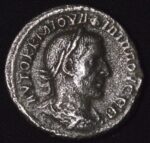
The silver tetradrachm of Philip the Arab typically features a portrait of the emperor on the obverse. The portrait often depicts Philip with a youthful appearance, wearing a radiate crown, which signifies his status and divine favor. The detailed craftsmanship of these coins reflects the advanced minting techniques of the Roman Empire during the 3rd century AD. The inscriptions usually include his name and titles, providing important historical context.
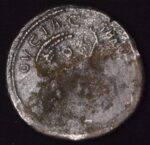
On the reverse side, these tetradrachms often display various symbols of power and religious motifs. Common imagery includes deities, personifications of virtues, or military symbols, emphasizing Philip’s authority and the stability he sought to project. The craftsmanship of these images reveals the importance of propaganda and image in maintaining imperial legitimacy during a turbulent period of Roman history.
The silver tetradrachm of Philip the Arab holds significant numismatic value today. Collectors prize these coins for their historical importance, rarity, and the insight they provide into the era’s political and cultural climate. The coins are often found in archaeological sites across the former Roman Empire, highlighting their widespread circulation and importance during Philip’s reign.
In summary, the Philip the Arab silver tetradrachm is a remarkable artifact that encapsulates the emperor’s reign and the artistic achievements of Roman coinage. These coins serve as a tangible link to the past, offering insights into the political, religious, and cultural dynamics of 3rd-century Rome. Their enduring appeal continues to attract collectors and historians alike, reflecting the lasting legacy of Philip the Arab’s rule.