$360.00

1 in stock

Description

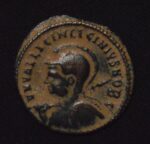
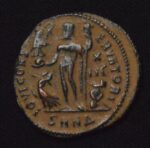
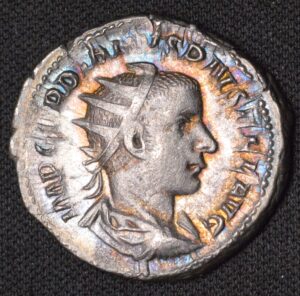
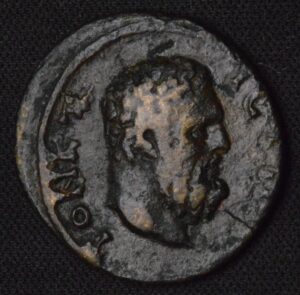
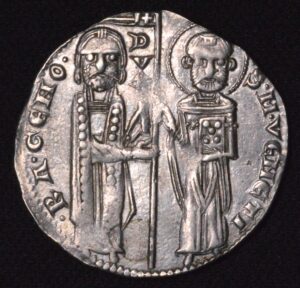
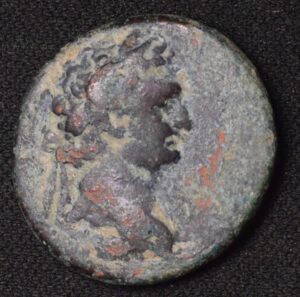
The Roman Licinius II Caesar Bronze AE-Follis coin is an important artifact from the late Roman Empire, specifically issued during the reign of Licinius II, who was designated as Caesar under his father, Emperor Licinius I. These coins played a crucial role in the monetary system of the empire, especially during a period marked by political consolidation and the strengthening of imperial authority. Made from bronze, the AE-Follis was a relatively low-value coin, but it was widely circulated and used in everyday transactions across the empire. Its durability and widespread use make it an essential piece for understanding the economic history of late Roman society.

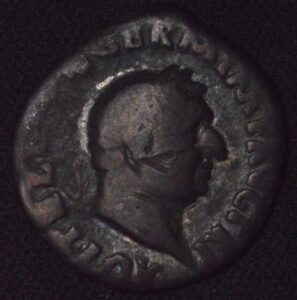
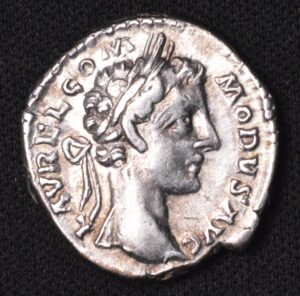
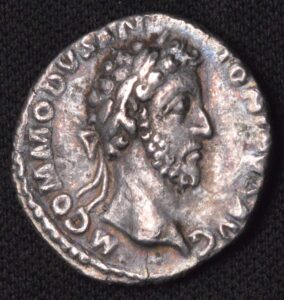
The obverse of the coin typically features a portrait of Licinius II, often depicted as a youthful figure wearing a diadem or crown, symbolizing his status as Caesar. The detailed engraving reflects the imperial image, emphasizing his legitimacy and connection to the ruling dynasty. Surrounding the portrait are inscriptions identifying him by his titles, which helped reinforce his authority and political status within the empire. These images and inscriptions were carefully designed to project strength and continuity of imperial rule, especially important during times of political transition or instability.

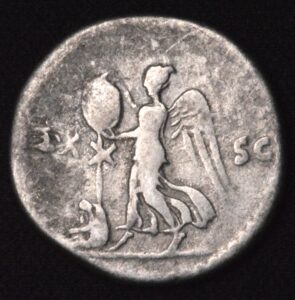
On the reverse side, the coin often displays symbols of imperial power, such as military standards, shields, or deities associated with protection and victory. These motifs served to communicate the strength and stability of Licinius II’s rule and the continued dominance of the Roman Empire. The inscriptions on the reverse may include references to the emperor’s titles or achievements, further emphasizing his role as a protector and defender of the empire. This iconography was a deliberate effort to promote loyalty and unity among the populace amid the complex political landscape of the time.

The bronze composition of the coin reveals its role in everyday commerce, serving as a practical medium for local trade, wages, and small transactions. While less valuable than gold or silver coins, the AE-Follis was vital for daily life, ensuring the smooth functioning of the economy at the grassroots level. Its widespread circulation helped maintain economic stability and reinforced the presence of imperial authority in daily routines. The coin’s design and distribution reflect the broader political and economic strategies of Licinius II’s regime, aimed at consolidating power and promoting stability across the Roman territories.

Today, the Roman Licinius II Caesar Bronze AE-Follis coin is an important collectible and historical artifact, offering insights into the late Roman Empire’s monetary practices, political propaganda, and artistic styles. Its imagery and inscriptions serve as a window into the era’s political messaging and social structure. As a tangible link to the past, this coin exemplifies how monetary issues were intertwined with imperial legitimacy and governance, making it a valuable piece for historians and numismatists studying the late Roman period.
The Roman Licinius II Caesar Bronze AE-Follis coin is an important artifact from the late Roman Empire, specifically issued during the reign of Licinius II, who was designated as Caesar under his father, Emperor Licinius I. These coins played a crucial role in the monetary system of the empire, especially during a period marked by political consolidation and the strengthening of imperial authority. Made from bronze, the AE-Follis was a relatively low-value coin, but it was widely circulated and used in everyday transactions across the empire. Its durability and widespread use make it an essential piece for understanding the economic history of late Roman society. The obverse of the coin typically features a portrait of Licinius II, often depicted as a youthful figure wearing a diadem or crown, symbolizing his status as Caesar. The detailed engraving reflects the imperial image, emphasizing his legitimacy and connection to the ruling dynasty. Surrounding the portrait are inscriptions identifying him by his titles, which helped reinforce his authority and political status within the empire. These images and inscriptions were carefully designed to project strength and continuity of imperial rule, especially important during times of political transition or instability. On the reverse side, the coin often displays symbols of imperial power, such as military standards, shields, or deities associated with protection and victory. These motifs served to communicate the strength and stability of Licinius II’s rule and the continued dominance of the Roman Empire. The inscriptions on the reverse may include references to the emperor’s titles or achievements, further emphasizing his role as a protector and defender of the empire. This iconography was a deliberate effort to promote loyalty and unity among the populace amid the complex political landscape of the time. The bronze composition of the coin reveals its role in everyday commerce, serving as a practical medium for local trade, wages, and small transactions. While less valuable than gold or silver coins, the AE-Follis was vital for daily life, ensuring the smooth functioning of the economy at the grassroots level. Its widespread circulation helped maintain economic stability and reinforced the presence of imperial authority in daily routines. The coin’s design and distribution reflect the broader political and economic strategies of Licinius II’s regime, aimed at consolidating power and promoting stability across the Roman territories. Today, the Roman Licinius II Caesar Bronze AE-Follis coin is an important collectible and historical artifact, offering insights into the late Roman Empire’s monetary practices, political propaganda, and artistic styles. Its imagery and inscriptions serve as a window into the era’s political messaging and social structure. As a tangible link to the past, this coin exemplifies how monetary issues were intertwined with imperial legitimacy and governance, making it a valuable piece for historians and numismatists studying the late Roman period.

CUSTOMER FEEDBACK

Set your categories menu in Header builder -> Mobile -> Mobile menu element -> Show/Hide -> Choose menu
Create your first navigation menu here
Shopping cart
Start typing to see posts you are looking for.

OFFER A PRICE

Send Your Offer Below! Scroll photo!

Roman Licinius II Caesar Bronze AE-Follis Coin