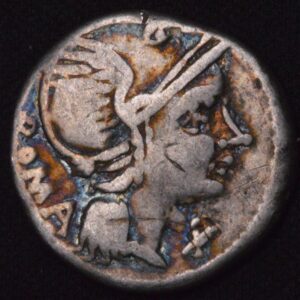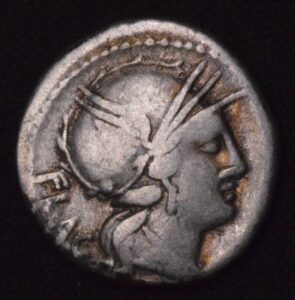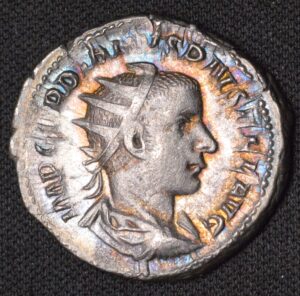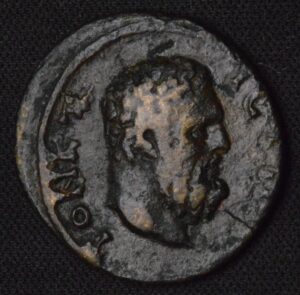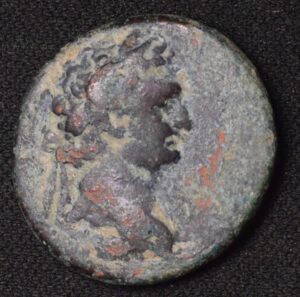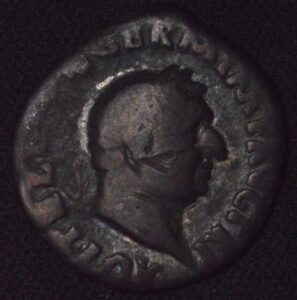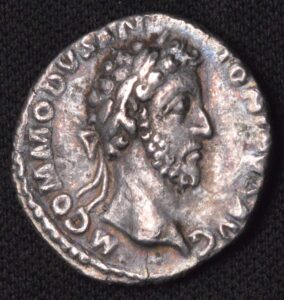
This Romano-Gallic Antoninianus from the period AD 269-271 is a striking and historically significant coin that offers a glimpse into the turbulent era of the Roman Empire during the Crisis of the Third Century. Struck under the authority of a Gallic emperor—possibly Postumus, Tetricus I, or another ruler of the Gallic Empire—this coin embodies the fragmentation and regional autonomy that characterized this tumultuous period.
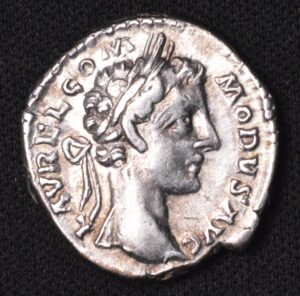
The Antoninianus, a silver coin introduced during the reign of Caracalla, became a standard denomination and was heavily used throughout the Empire and its breakaway regions. On this particular coin, you will find a detailed portrait of the emperor on the obverse, often wearing a radiate crown, symbolizing imperial authority and divine favor. The inscription surrounding the portrait typically includes the emperor’s name and titles, asserting legitimacy amidst political instability.
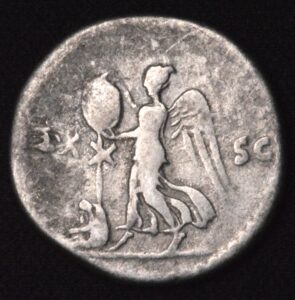
The reverse of the coin often features symbols of power, such as military standards, deities, or imperial regalia, emphasizing the authority of the Gallic ruler during a time when regional empires asserted independence from Rome. The craftsmanship reflects the minting practices of the late 3rd century, with detailed relief work and clear legends, despite the challenging economic conditions of the era.
This coin’s condition is generally good, with a well-preserved portrait and legible inscriptions, making it a valuable piece for collectors of Roman provincial or crisis-era coinage. Its silver content and striking details highlight the economic and artistic efforts of the Gallic mint during a time of upheaval and regional sovereignty.
Owning this AD 269-271 Romano-Gallic Antoninianus provides a tangible link to a fascinating chapter of Roman history—an era marked by fragmentation, military conflict, and the resilience of regional rulers. It’s a compelling artifact that embodies the complex political landscape of late antiquity and the enduring legacy of Roman coinage.