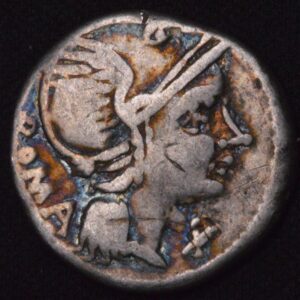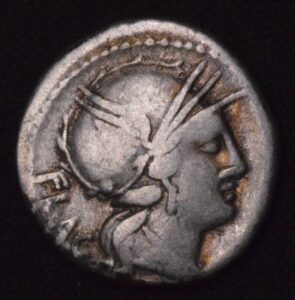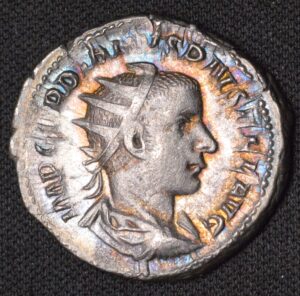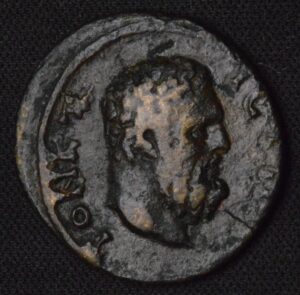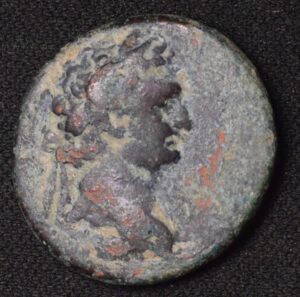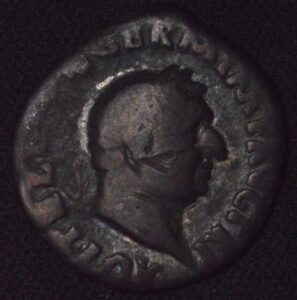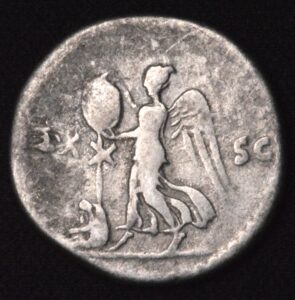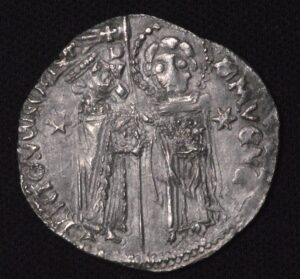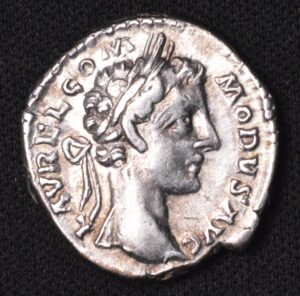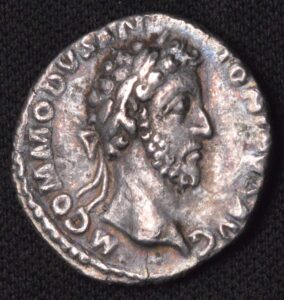
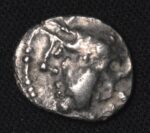
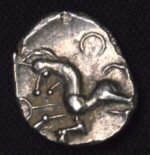
The silver quinarius of the Sequani from 1st-century Gaul is a fascinating example of Celtic coinage, reflecting the rich cultural and economic traditions of the Gaulish tribes prior to full Roman integration. The Quinarius, a half-unit coin, was a smaller denomination used for everyday transactions, and its silver composition signifies its value and importance within the local monetary system.
The Sequani were a prominent Celtic tribe inhabiting the region of modern-day eastern France, and their coinage often displayed distinctive artistic elements and regional symbols. Coins from this period typically feature stylized portraits, deities, or symbols representing tribal identity, as well as motifs inspired by Greek, Roman, or local cultural influences. The craftsmanship on a silver quinarius would showcase detailed engravings, with a focus on bold imagery and symbolic motifs.
Although specific imagery on this particular coin is not described here, Celtic coinage generally included abstract designs, geometric patterns, or stylized human and animal figures. The use of silver demonstrates the tribe’s access to precious metals and their ability to produce durable, visually striking coins. The coin’s size, weight, and design reflect the economic and artistic standards of the early first century, a time of increasing trade and cultural exchange across Gaul.
The 1st century was a period of significant change in Gaul, with increasing contact with the expanding Roman world. Tribal coinage like this quinarius often served as a form of local identity and economic unity amidst the broader influence of Rome. The coin’s preservation and craftsmanship offer valuable insights into Celtic art, social structure, and trade networks during this dynamic era.
In summary, the silver quinarius of the Sequani from the 1st century Gaul is a remarkable artifact that encapsulates the artistry and economic practices of Celtic tribes. Its regional symbolism, silver content, and historical context make it a highly desirable piece for collectors and scholars interested in ancient Celtic civilization and early European coinage. It stands as a testament to the vibrant cultural diversity of pre-Roman Gaul.