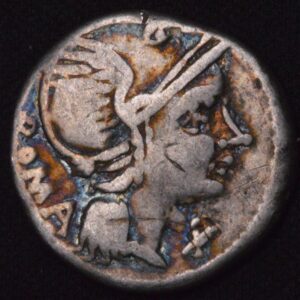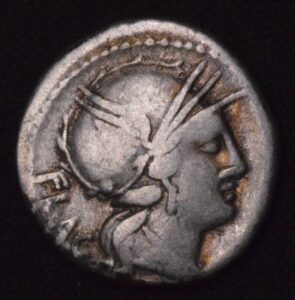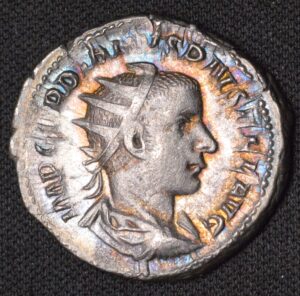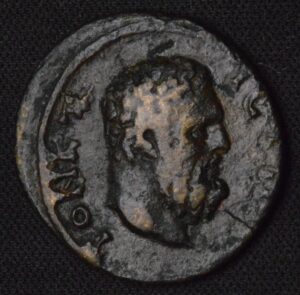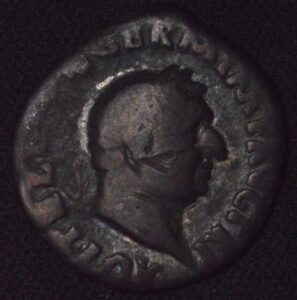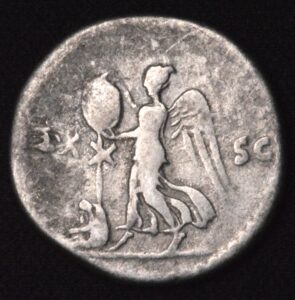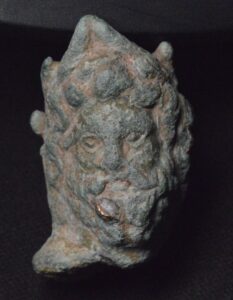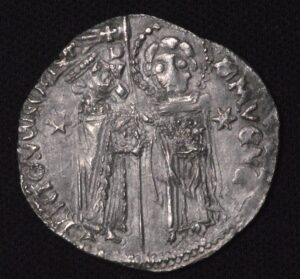
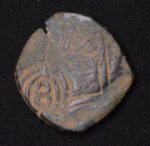
The Spanish Cobb Coin from a shipwreck is a fascinating artifact that offers a direct connection to maritime history, colonial trade, and the age of exploration. These coins, often made of bronze or other base metals, were part of the currency system used by Spanish galleons and ships engaged in transoceanic voyages during the 16th to 18th centuries. Their discovery in shipwrecks makes them especially valuable to collectors and historians, as they provide tangible evidence of seafaring commerce and the global reach of the Spanish Empire.
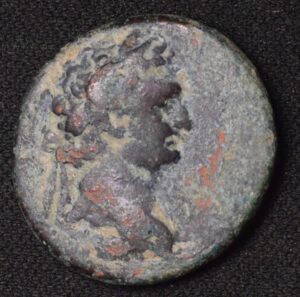
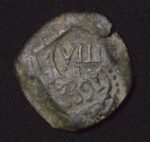
A Spanish Cobb coin typically features a roughly hewn, irregular shape with a thick, chunky appearance, reflecting the hurried and often rough minting process used aboard ships. The obverse usually displays the crowned shield of Spain or the Spanish monarch’s coat of arms, although the details are often worn or corroded due to centuries underwater exposure. The reverse may contain a denomination mark, a cross, or other heraldic symbols, though these too are frequently obscured or damaged by corrosion.
Due to their age and the conditions of shipwreck environments, these coins often exhibit pitting, oxidation, and surface erosion, which contribute to their “poor” or heavily corroded condition. Despite this, their historical significance remains immense—they are physical remnants of Spain’s maritime empire, which facilitated the exchange of gold, silver, and goods across continents, linking Europe, the Americas, Africa, and Asia.
The bronze material of these cob coins was practical for maritime use; it was durable enough to withstand saltwater corrosion and rough handling at sea. As a result, many bronze shipwreck coins have a rugged appearance, with uneven surfaces and missing details, yet they are cherished for their authenticity and historical context.
Today, Spanish Cobb coins from shipwrecks are prized by collectors, archaeologists, and museums for their role in understanding colonial trade routes, shipwreck archaeology, and the economic history of the Spanish Empire. Each coin tells a story of adventure, commerce, and the challenges of maritime navigation during the Age of Exploration, making them invaluable artifacts that continue to captivate those interested in maritime and colonial history.