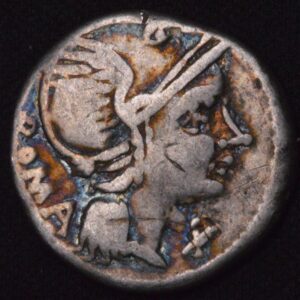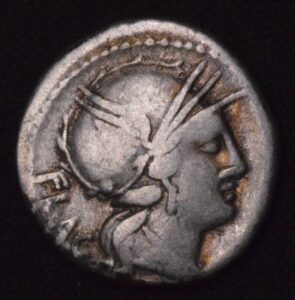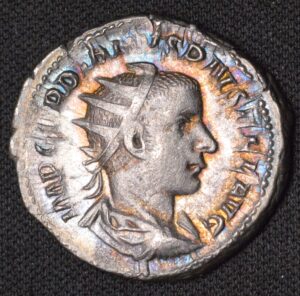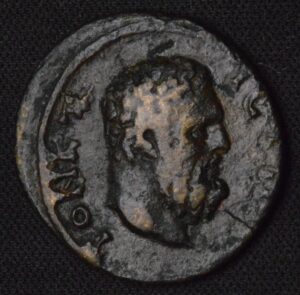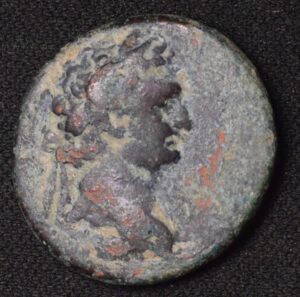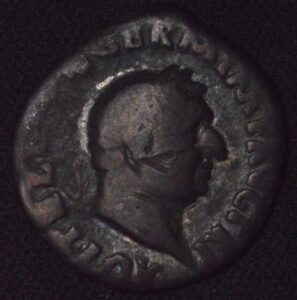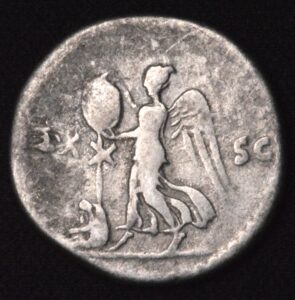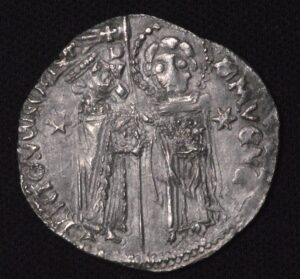
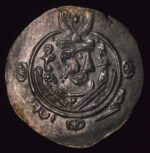
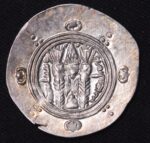
This Tabaristan Hemidrachm from the period 711-778 AD is a fascinating and valuable example of early Islamic and Persian coinage, representing the rich cultural and monetary history of the region. Struck in silver, this hemidrachm reflects the artistic and political influences that shaped Tabaristan, a historic region in northern Iran along the Caspian Sea, during the early medieval period.
The coin’s design typically features inscriptions in Arabic or Pahlavi script, which may include the Islamic declaration of faith, the name of the ruler, or regional titles. The obverse often displays calligraphic inscriptions or motifs symbolizing authority, while the reverse may feature geometric or floral patterns, reflecting the artistic style of the era. The precise details and calligraphy on the coin highlight the skill of the minting artisans and the importance of religion and sovereignty in the region’s political identity.
Dated broadly between 711 and 778 AD, this coin was produced during a transformative period that saw the rise of Islamic influence following the Arab conquests, yet it also retained some local Persian elements. The silver content, likely around .917 purity, indicates a high-quality strike intended for circulation among the populace and as a symbol of stability and legitimacy.
Despite its age, this hemidrachm remains in good condition, with well-preserved inscriptions and design elements, though some wear and patina may be present, adding to its antique charm. Its size, weight, and detailed craftsmanship make it a prime example for collectors interested in Islamic or Persian numismatics, early medieval history, or regional coinage.
Owning this 711-778 AD Tabaristan Hemidrachm is a rare opportunity to connect with the complex history of Persia during a period of significant cultural and political change. It’s a distinguished piece that embodies the fusion of Iranian traditions with emerging Islamic influences—a true treasure for historical and numismatic enthusiasts alike.