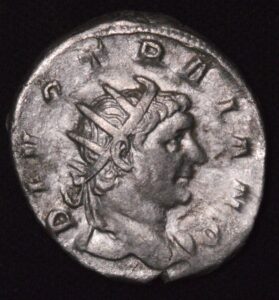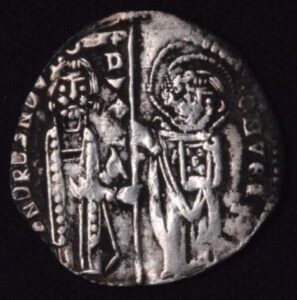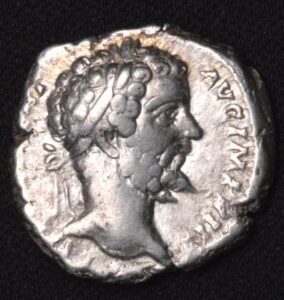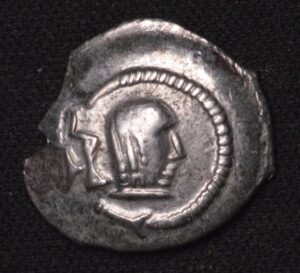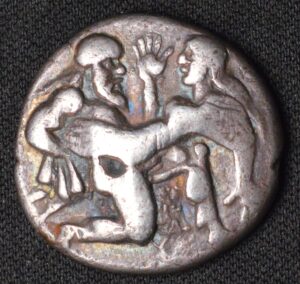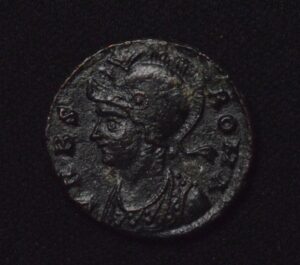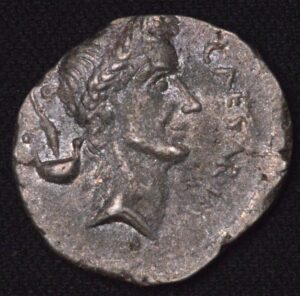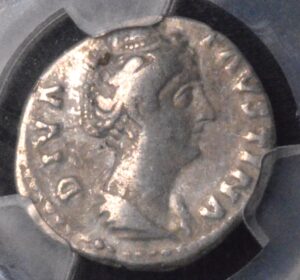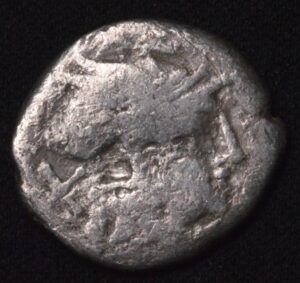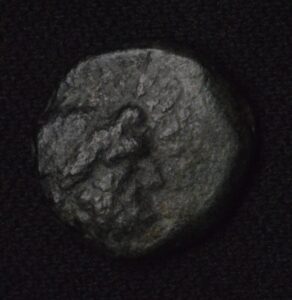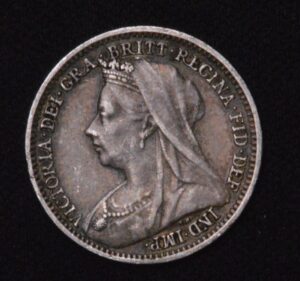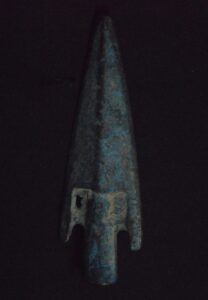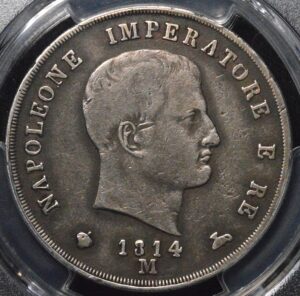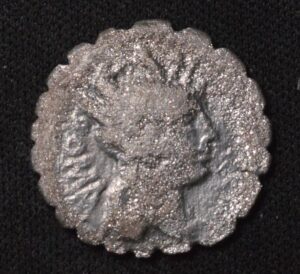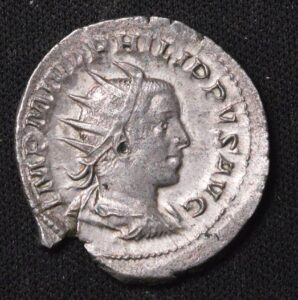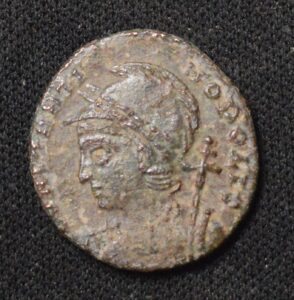
E-mail us which one you want. The Roman AES Rude is an extremely rare and significant artifact from the early history of the Roman Republic. Dating back to the 5th or 4th century BC, these bronze tokens are considered among the first forms of Roman currency. The AES Rude was used as a form of merchandise or commodity money, used for trade and commerce.
AES Rude is derived from the Latin word for ‘brass’ or ‘copper,’ as well as the term ‘Rude,’ meaning rough or unrefined. This name accurately reflects the primitive nature of these early tokens, which were often simply cast or hammered into shape. The production of AES Rude tokens was not standardized, resulting in a wide variety of shapes, sizes, and weights.
The discovery of AES Rude tokens has provided valuable insights into the early economy of ancient Rome. These tokens were used for small transactions, such as purchases of goods and services. The use of these tokens also suggests a system of exchange that was not yet based on a standardized currency, but rather on the value of the goods being traded. Archaeologists have found AES Rude tokens in various locations throughout the Roman Republic, including in temples, markets, and even in the ruins of ancient buildings.
The significance of the AES Rude lies not only in its historical value but also in its rarity. Due to their age and the fact that many have been lost or destroyed over time, AES Rude tokens are highly sought after by collectors and historians. The study of these tokens has helped to shed light on the early development of the Roman economy and has provided a unique glimpse into the daily lives of ancient Romans.
Today, AES Rude tokens are highly prized by collectors and museums, offering a tangible connection to the early history of Rome. Their rarity and historical significance make them a valuable addition to any collection, providing a unique window into the past and the early development of one of the world’s most influential civilizations.